
Maria Ilinsky Message me

Trauma therapist in London and online

For adults living with the after-effects of a frightening event or an unsafe childhood. Trauma counselling in English or Russian, in Marylebone or online.

Psychotherapy sessions

In person at 85 Wimpole Street

And online via Zoom

Duration — 50 minutes

Fee — £120

You can ask a question first. I usually reply within an hour. Confidential

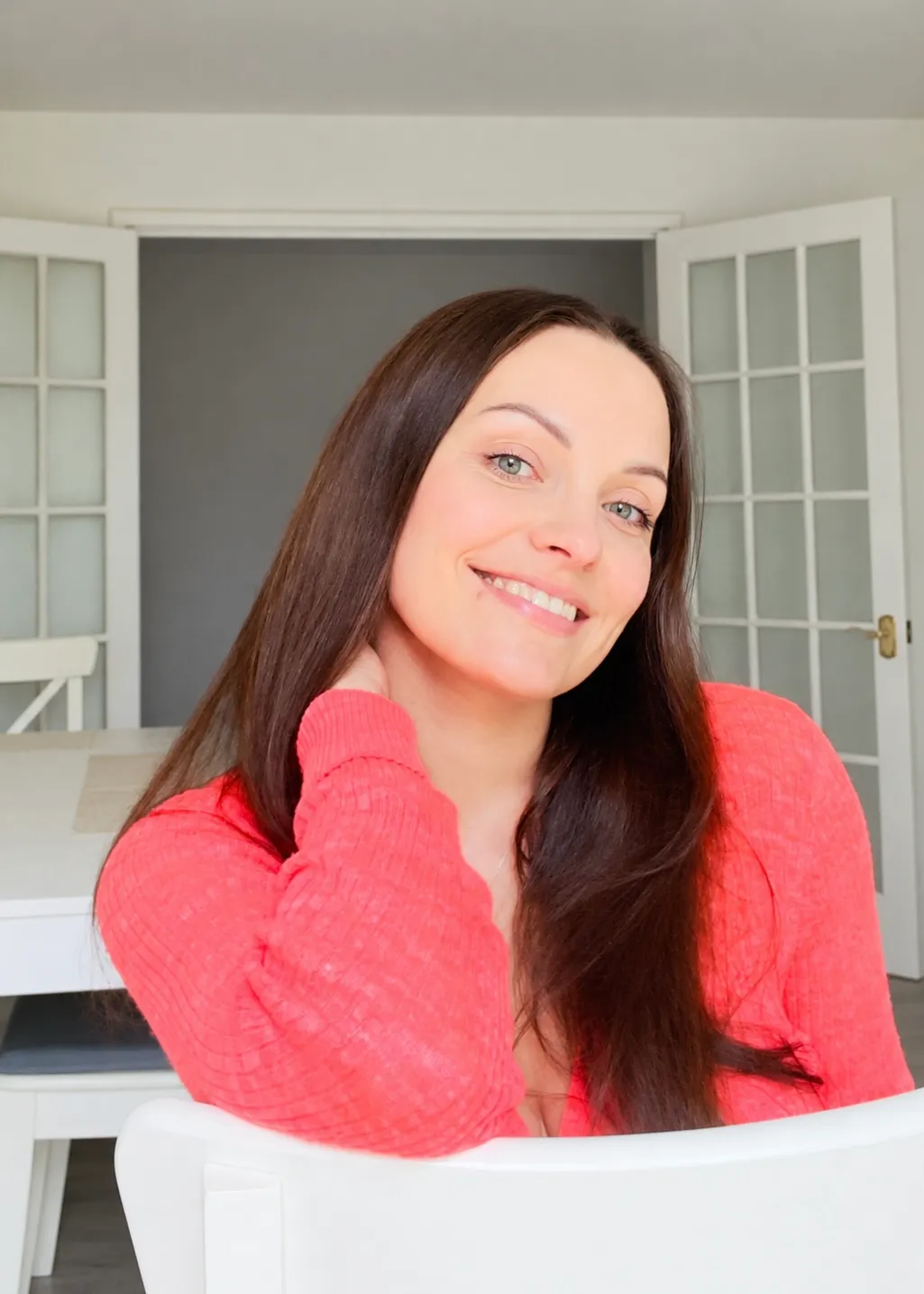
Maria Ilinsky, Psychotherapist in London
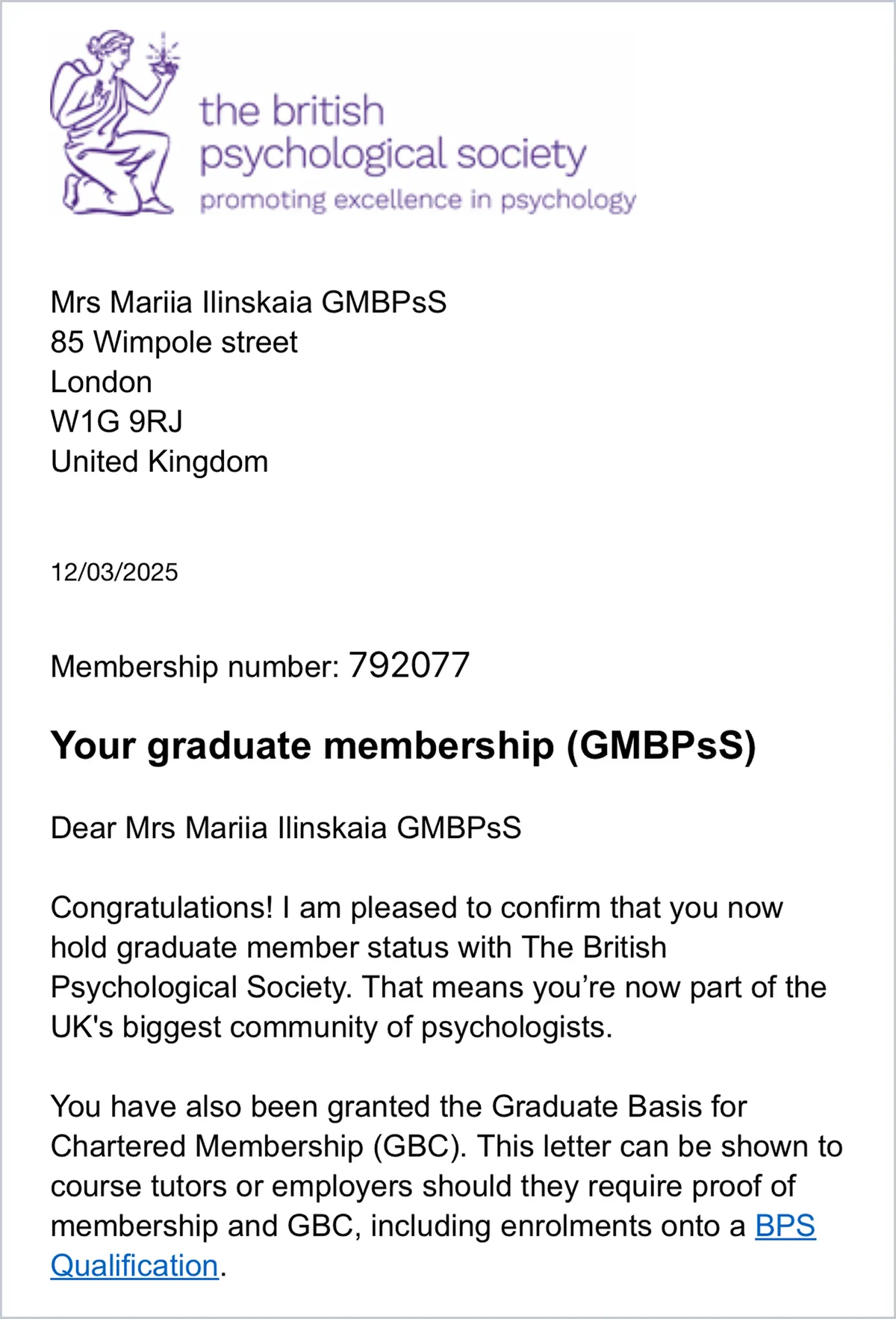
GMBPsS
Graduate Member of the British Psychological Society
14 years
of practice
10,205 hours
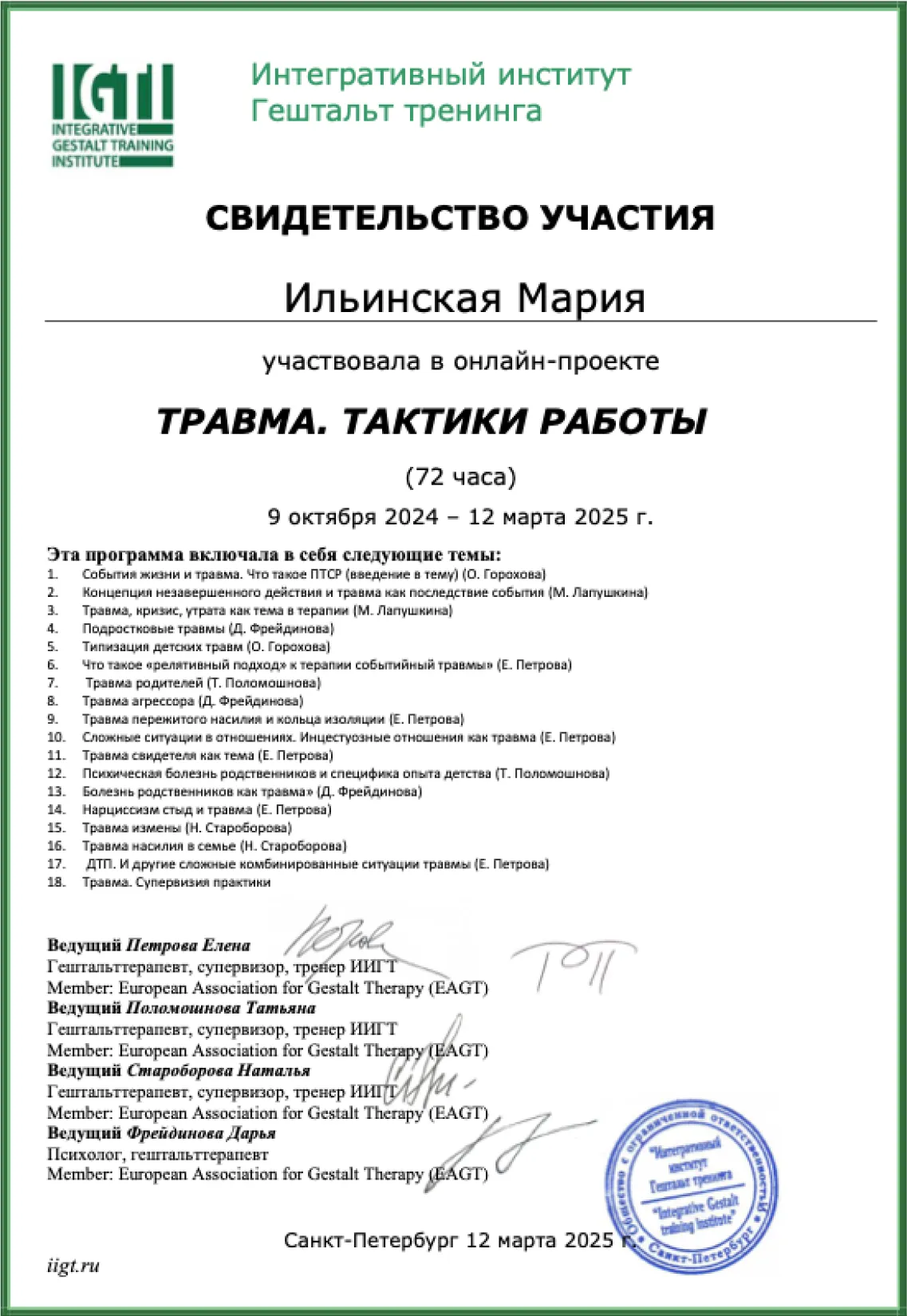
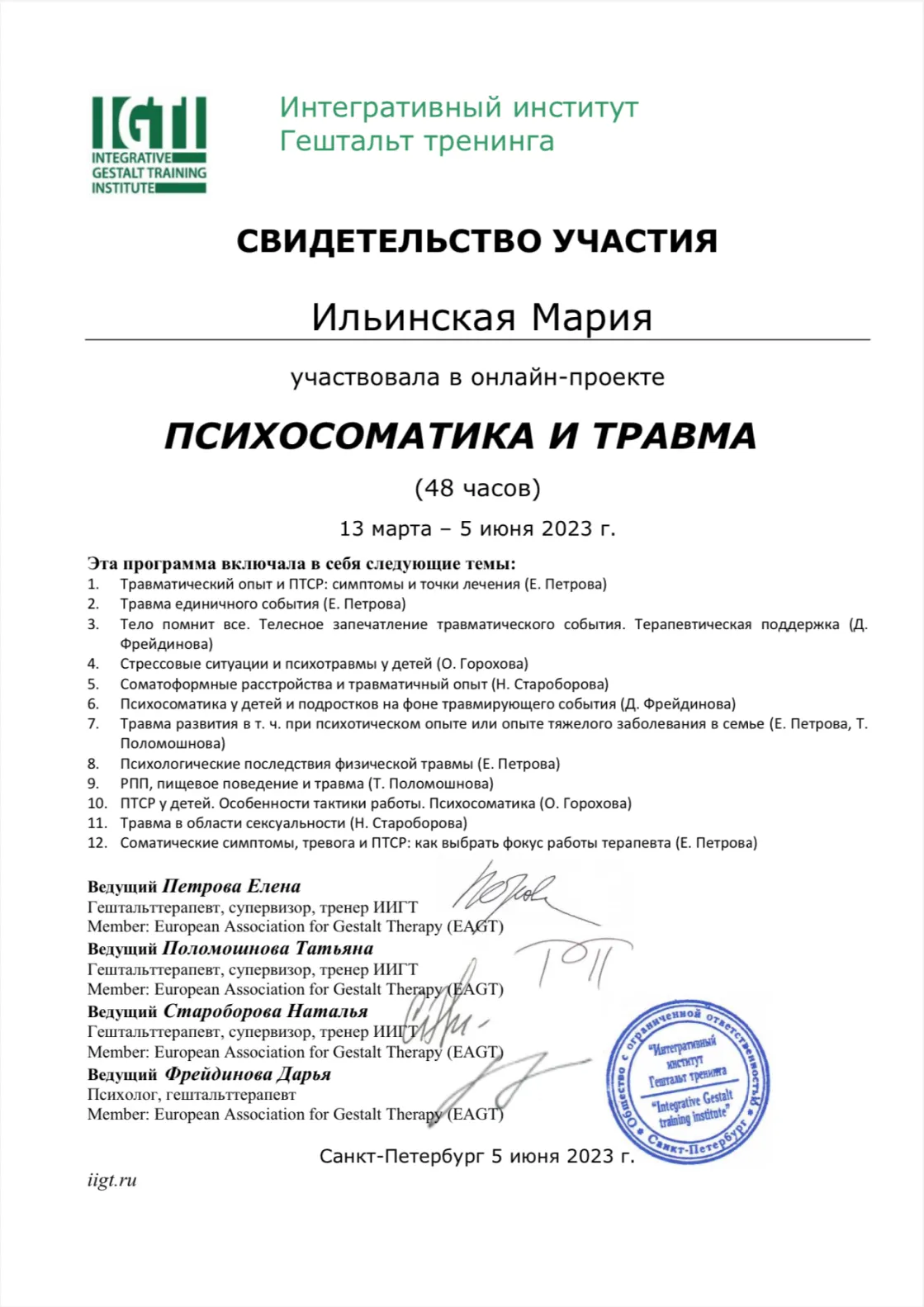
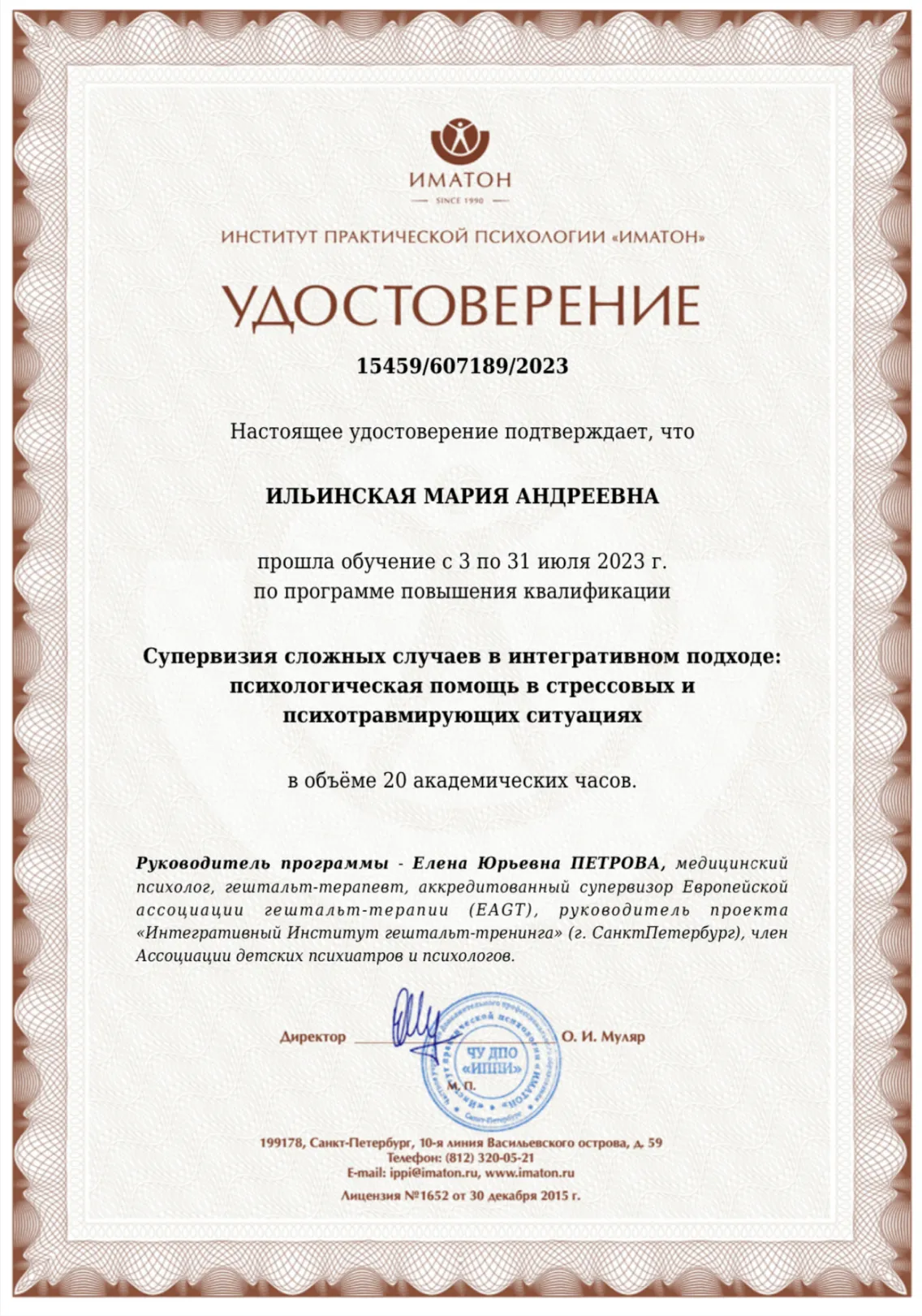
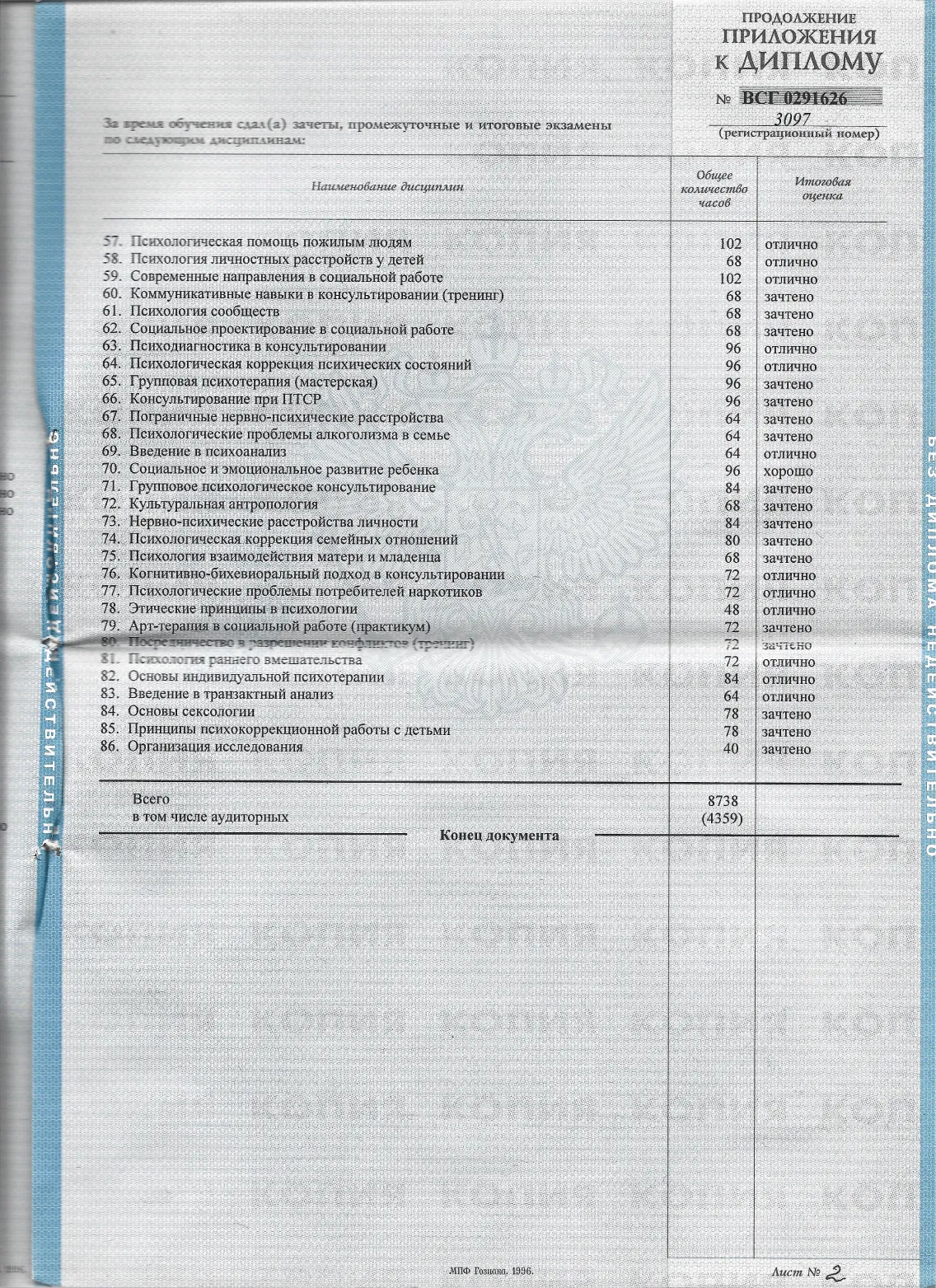
of training: university degree and further courses
40 reviews
from clients on Google
Maria Ilinsky, psychotherapist in London

Who you will be working with

Maria Ilinsky, psychotherapist

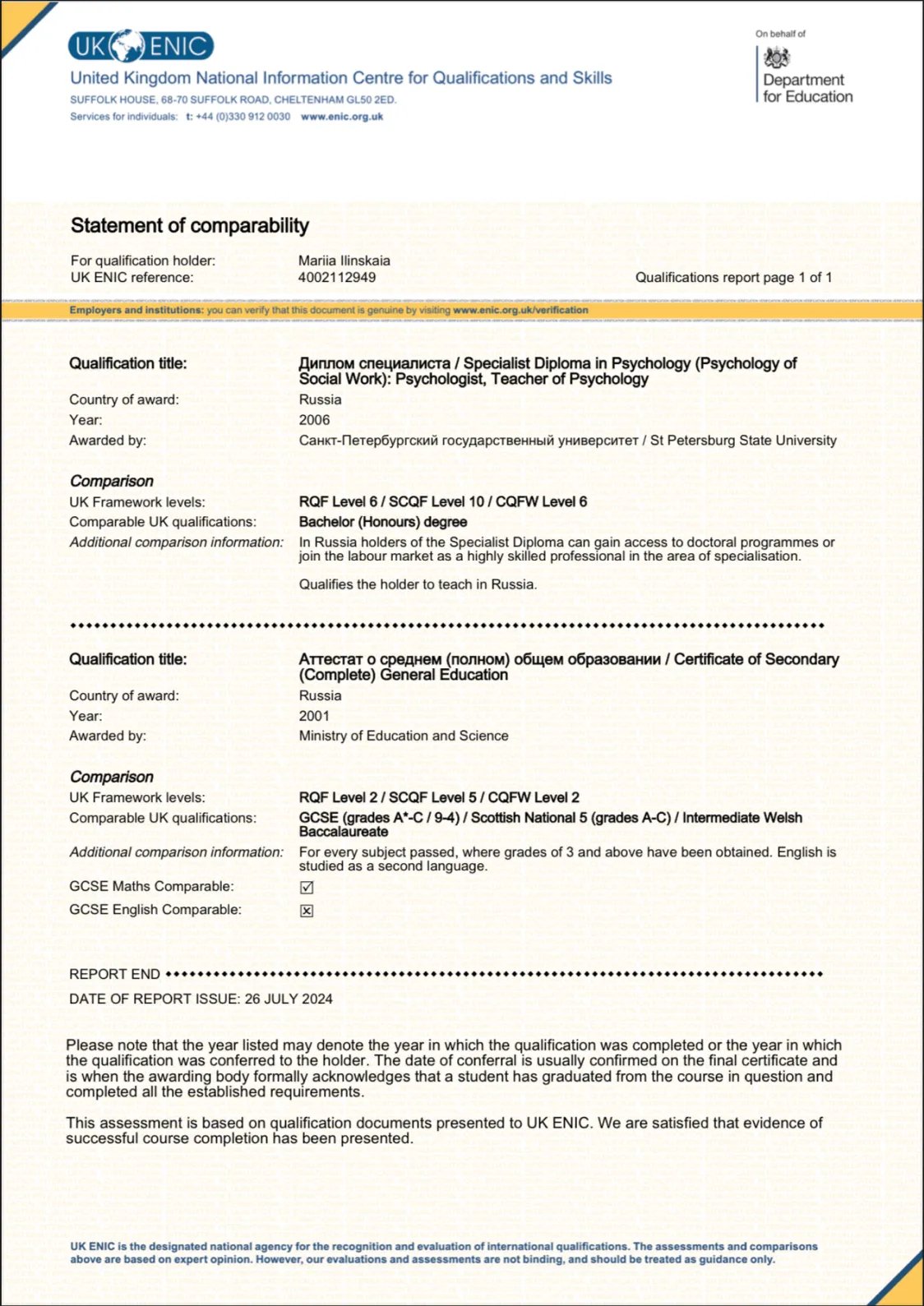
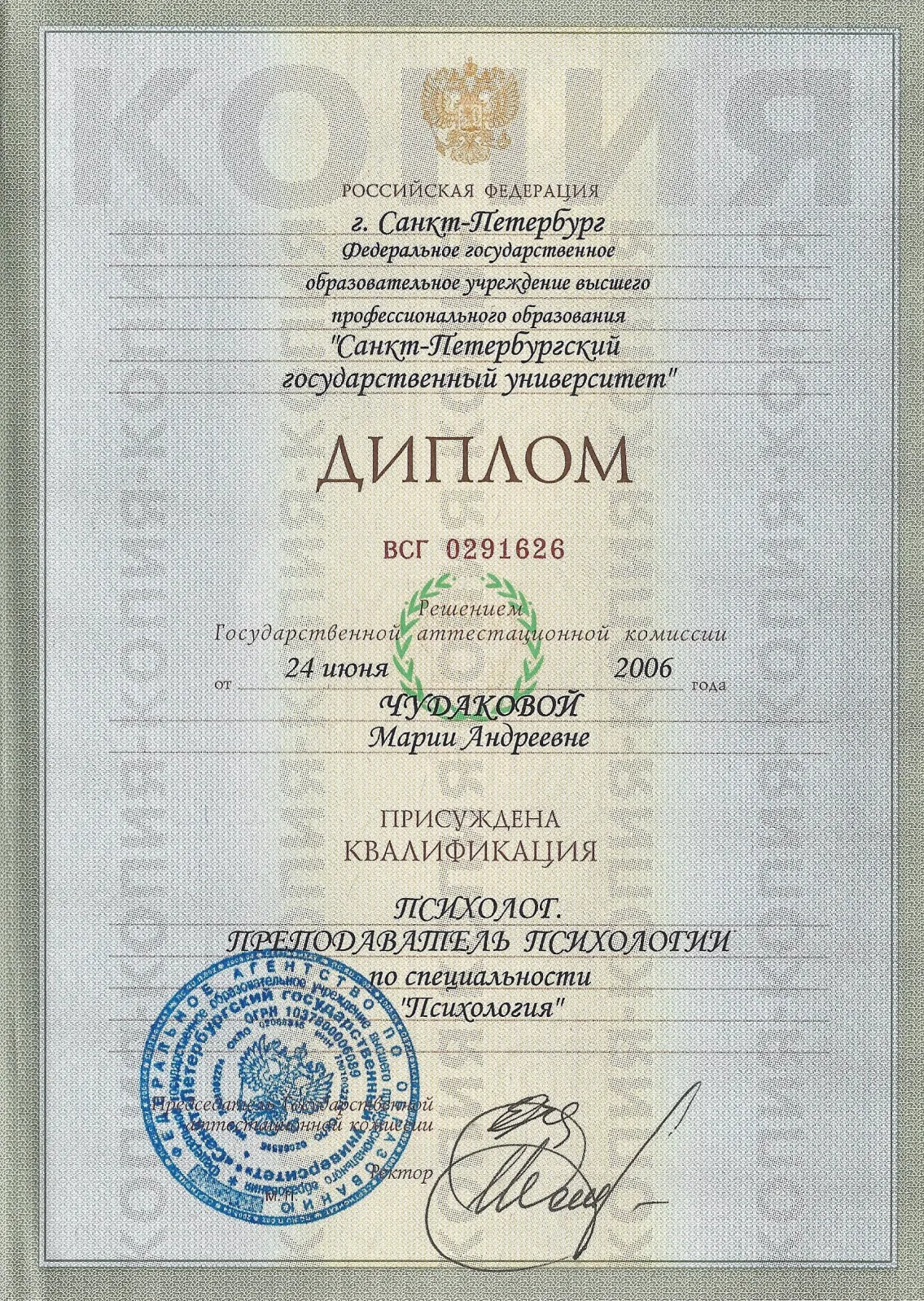
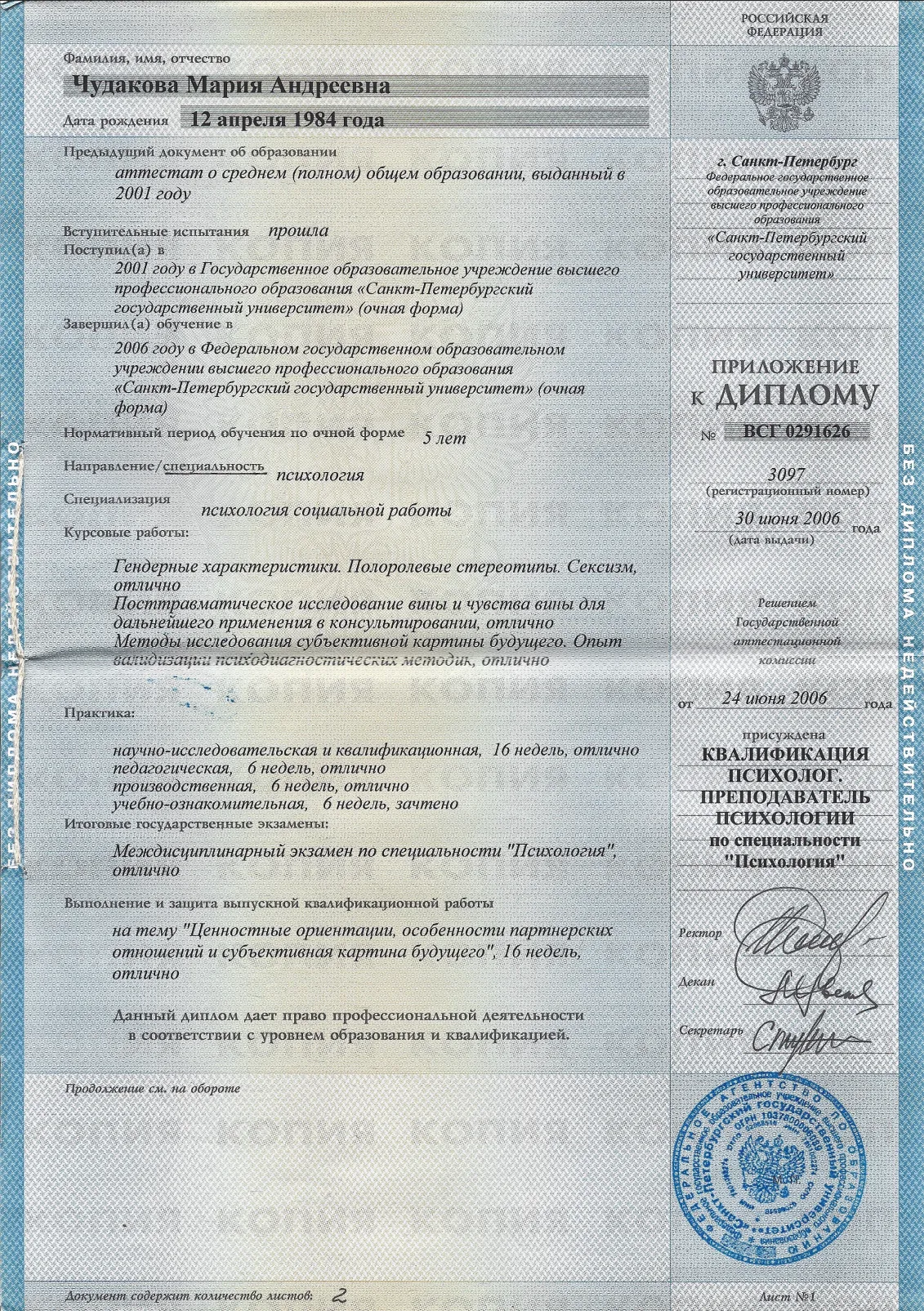
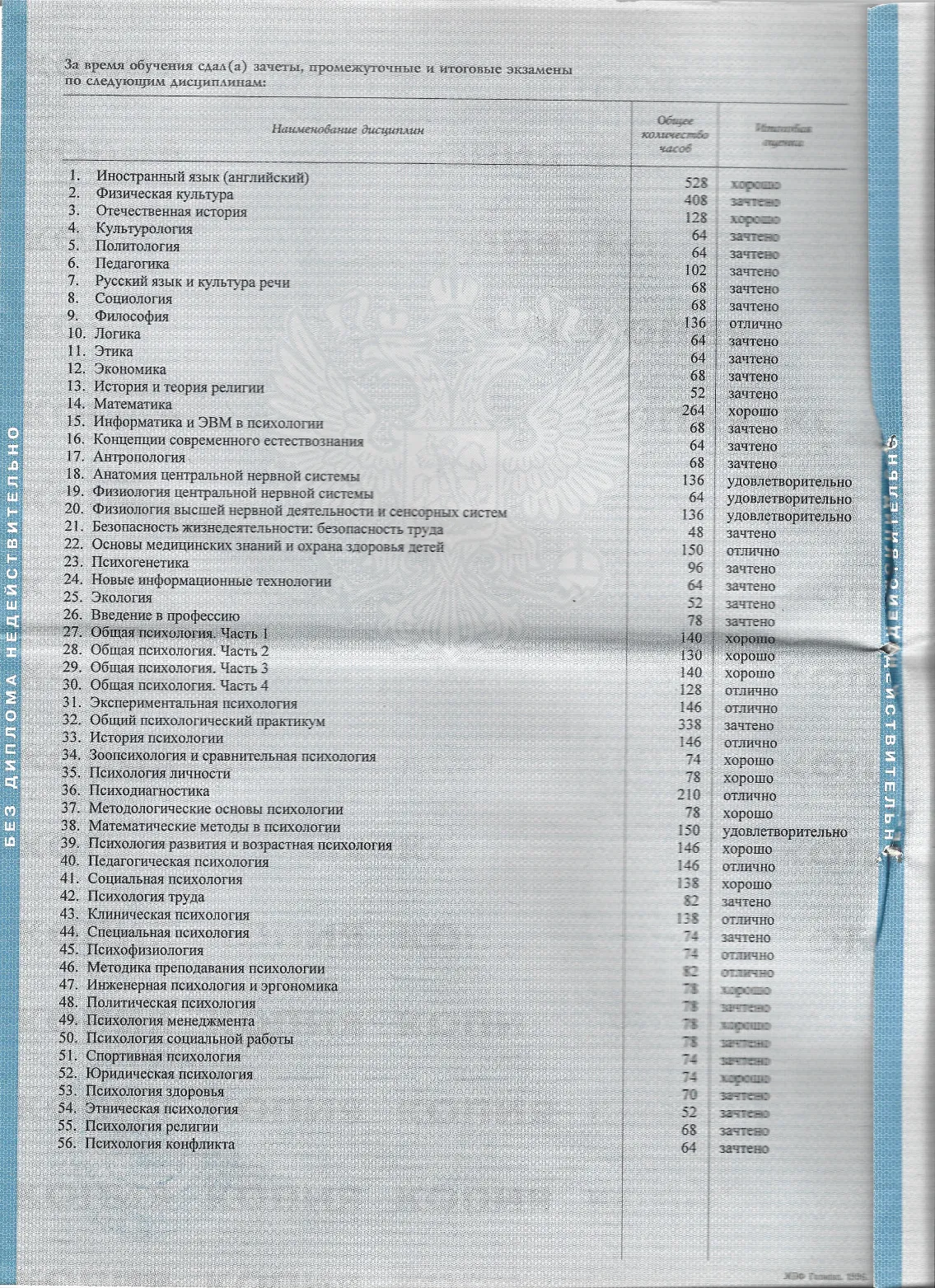
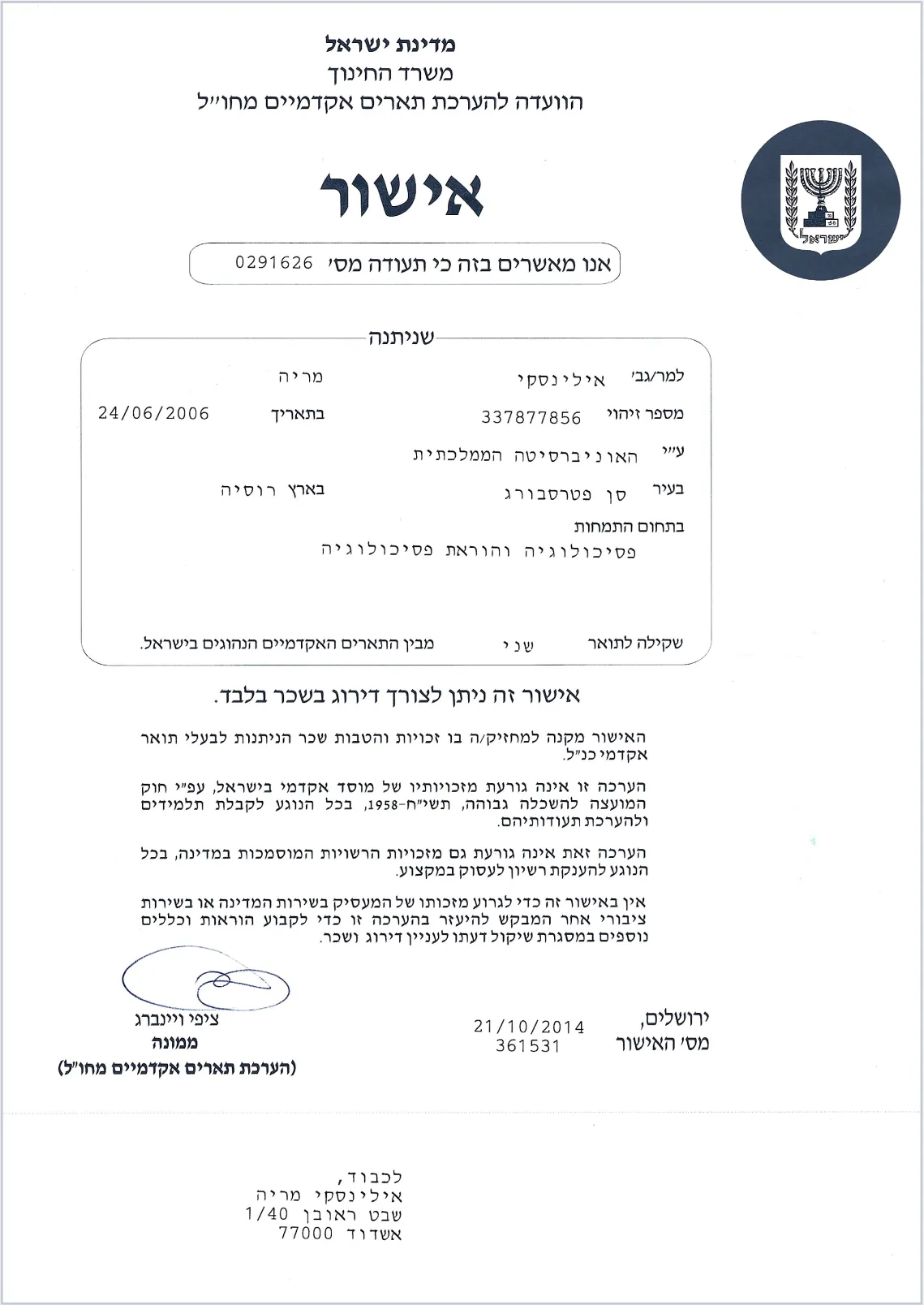
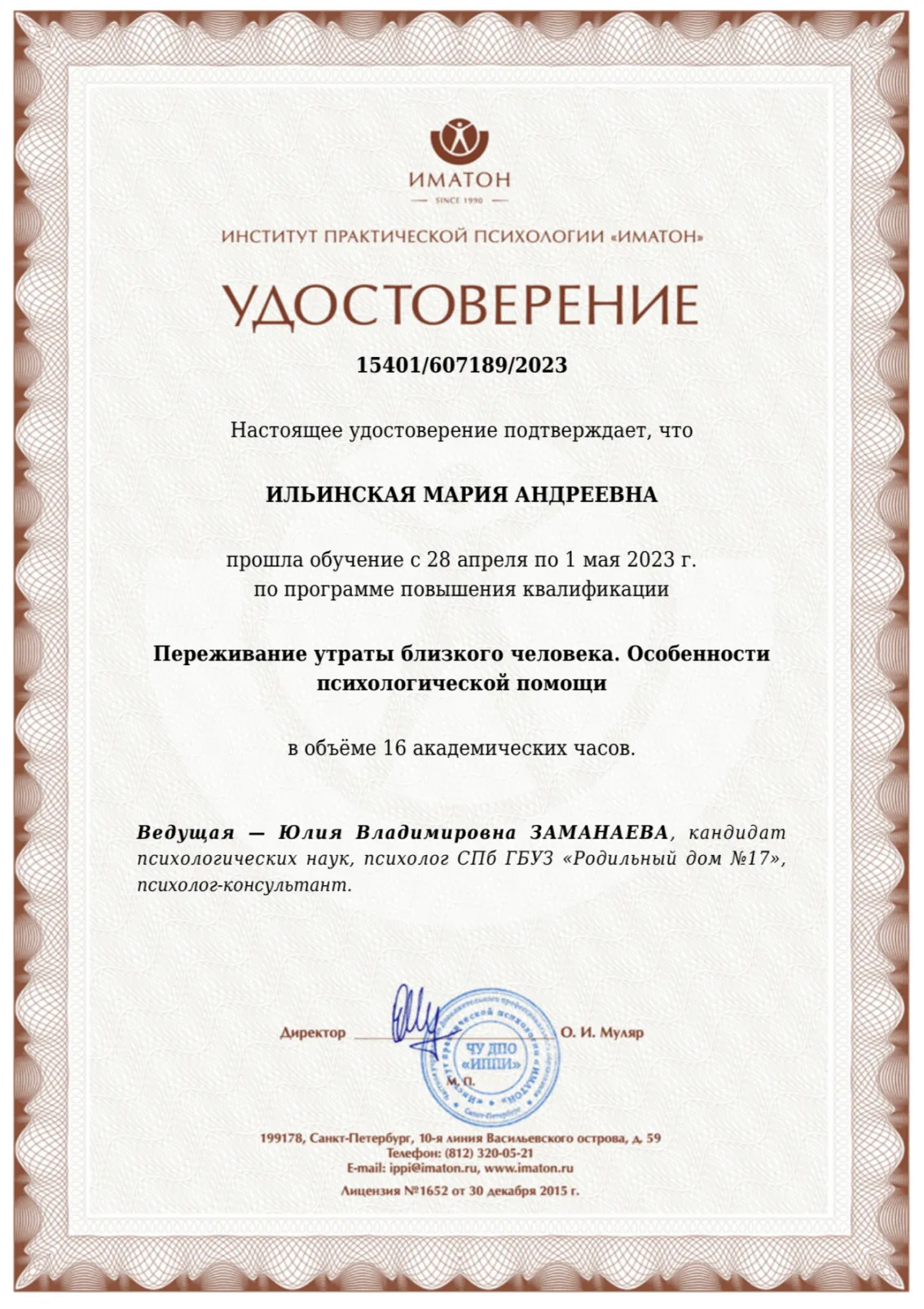
  • Psychology degree, St Petersburg State University; UK ENIC: comparable to a Bachelor’s (Honours) degree
  • Practising since 2006, with breaks; integrative approach, weekly supervision, BPS Code of Ethics
  • I have emigrated twice myself: to Israel (2014) and to the UK (2022)

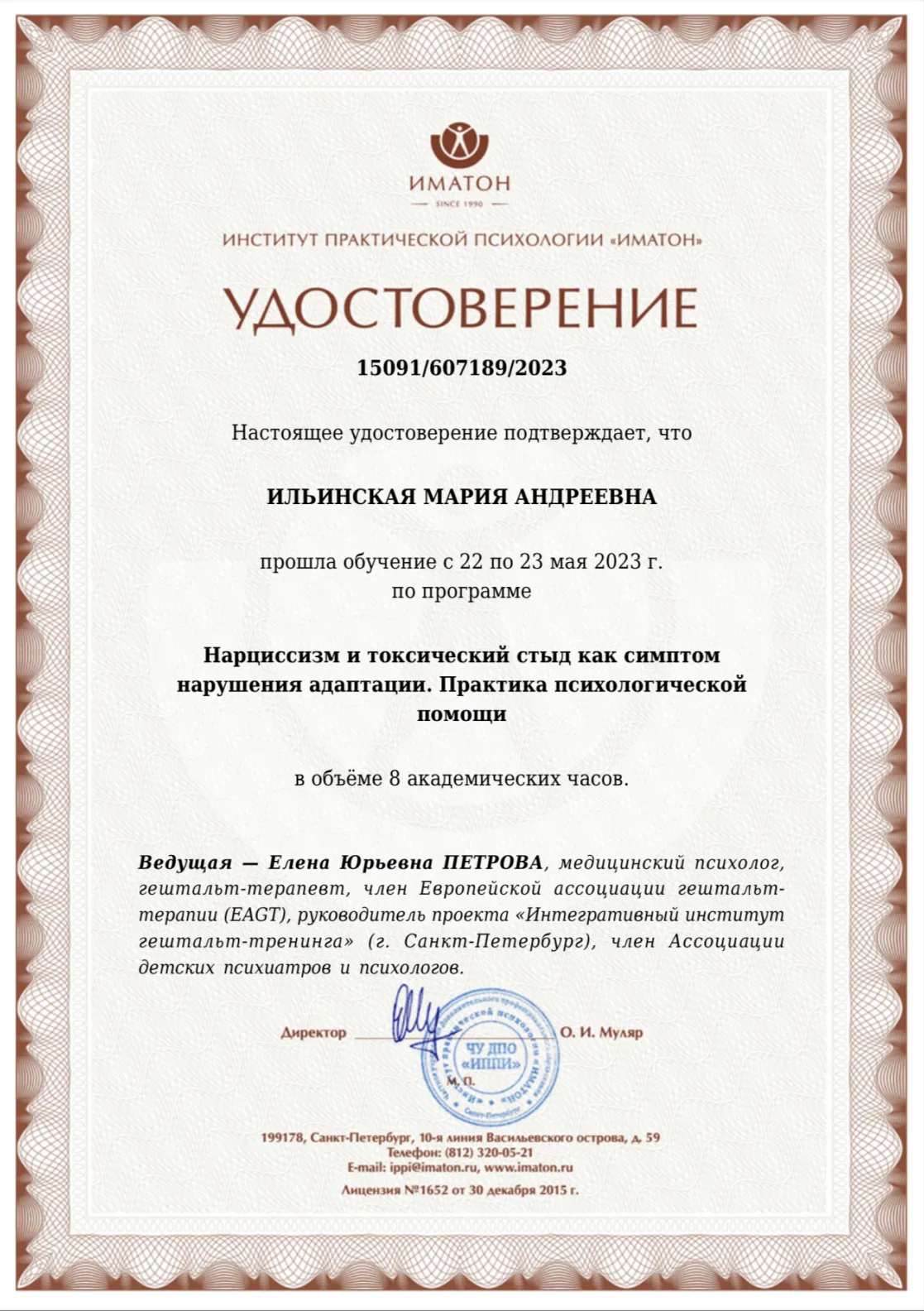
At Maccabi Healthcare Services (Israel) I worked a lot with trauma, including PTSD. CPD: 120 hours of trauma training (2023–25). More about me

What brings people to a trauma therapist

A car backfires on Marylebone Road and, for a second, someone is back at the scene of a crash from three years ago.

Someone else describes a frightening childhood in a calm, flat voice, yet can’t explain why a colleague’s raised voice sent them to hide in the toilets.

Neither of them would necessarily call it trauma, but both are the kind of story people bring to trauma therapy.

Experiences that can leave a mark

Trauma can follow an accident, assault, sexual or domestic abuse, sudden loss, a stay in intensive care, a difficult birth, war or fleeing your home.

It can also build up slowly: years of bullying, a parent who drank or was violent, or a home where nobody noticed a scared child.

If it still shapes how you live, it counts, whatever you call it. People describe it like this:

  • memories or nightmares that arrive without warning
  • sleeping lightly, checking exits, never quite able to relax
  • avoiding a street, a smell or a conversation
  • feeling cut off from yourself or from what is around you
  • anger, tears or shame that seem too big for the moment
  • headaches or pain that medical tests don’t explain

Recognising yourself here is not a diagnosis. In therapy we start from what you notice, not from a label.

Childhood and complex trauma

When fear or pain went on for years, especially in childhood, it often shows less in one memory than in how a person treats themselves and others.

People describe a harsh inner voice, sudden shame, freezing in arguments or pleasing everyone to stay safe. Closeness feels wanted and risky at once.

Complex PTSD, a diagnosis in ICD-11, adds lasting difficulties with emotions, self-worth and closeness to the core symptoms of PTSD.

How I work with trauma

I work with the effects of single-event and long-standing trauma, including PTSD.

My approach is integrative: I draw on several schools of therapy and adapt the work to you, not to a fixed protocol.

The first stage is about stability, not memories: sleep, what sets you off now, and what already helps when you feel shaken.

We notice what happens in your body as well as what you say. If a topic brings on panic or drifting away, we slow down.

You decide what to talk about and when. We take painful memories in small pieces.

She listens with care and never rushes, which helped me feel safe and understood.

Rada

How to start

  1. Message me in the website chat

    One line is enough. You don’t need to describe the problem in writing.

  2. We agree a time

    In person at 85 Wimpole Street, W1G 9RJ, or online via Zoom. Weekday evenings are available; I don’t work at weekends.

  3. The first session

    50 minutes, £120, the same in person and online. We get to know each other; you share only what you feel ready to share.

    Afterwards you decide whether to book again: no packages, no commitment.

At the first session you can tell me which topics are off-limits for now, and we will leave them alone.

You can cancel or move a session free of charge with at least 48 hours’ notice.

You can ask a question first. I usually reply within an hour. Confidential

Urgent help: 999 or A&E in an emergency · NHS 111, mental health option · Samaritans 116 123, free, any time.

What the first months can look like

Later, and only if you want to, we turn to the memories themselves. Along the way we look together at what has changed and whether the pace suits you.

Structured trauma therapies and the NHS

For PTSD, NICE recommends trauma-focused CBT or EMDR, usually 8 to 12 sessions, or more after several traumas.

For complex PTSD, it advises extra time to build trust.

I don’t offer either method. Adults in England can refer themselves to NHS Talking Therapies, where both are available.

Longer integrative work can help with what a short protocol doesn’t reach: childhood, a relationship that ran on fear, several events layered together.

Choosing a trauma therapist in London

Many therapists call themselves trauma-informed. These questions, adapted from the Blue Knot Foundation, are worth asking anyone you consider, me included:

  • What trauma training and supervision do you have?
  • How do you decide when, or whether, to go into memories?
  • What happens if I become overwhelmed in a session?
  • What will the first few sessions involve?

I am not on an accredited register, so it is fair to ask me about my training and supervision directly.

When weekly sessions are not enough

If problems haven’t eased about four weeks after a frightening event, or they surface later, see your GP.

If I notice signs of PTSD that a doctor hasn’t assessed, I may suggest seeing your GP or a psychiatrist alongside our sessions.

Sources (9)

What clients say

40 reviews on Google

Questions about trauma therapy

Will I have to talk about what happened?

No. Some people describe the event early on, some only much later, and some never in detail. We can work with how it affects you now: sleep, relationships, the reactions that take you by surprise.

Do I need a PTSD diagnosis to start?

No. Private therapy doesn’t need a diagnosis or a referral. A diagnosis comes from a doctor or mental health service; if you would like an assessment, start with your GP.

What if I feel overwhelmed during a session?

Tell me, or simply stop talking; I watch for the signs too. We pause, bring your attention back to the room and leave the memory for another day. If you feel worse in the days after, tell me and we slow down.

How long does trauma therapy take?

It depends on what you bring and on your pace. Sometimes one meeting is enough; short-term counselling is usually five or six sessions. Work with long-standing harm often takes more than a year. You can stop at any point.

Do you offer EMDR?

No. Besides NHS Talking Therapies, EMDR is offered by private therapists trained in the method. If you are unsure which approach would suit you, ask me in the website chat before booking.

Why pay for private sessions when the NHS offers trauma therapy?

For a short structured course, the free NHS route is a good choice. I have 14 years of practice and work in English or Russian, in person on Wimpole Street or online. There are no packages, and I usually reply within an hour.

Can trauma affect me years after it happened?

Yes. Effects can appear straight after an event, or weeks, months or even years later. Whenever they surface, they are worth looking at.

Can trauma therapy be done online?

Yes, on Zoom, from somewhere private where nobody can overhear; some people find a familiar room easier. If home feels unsafe, or the person who hurt you lives there, meeting in person in Marylebone may suit you better.

Can sessions be in Russian?

Yes. I work in English and in Russian, in person and online. You can choose the language in which it is easier for you to talk about what matters.

How do you handle confidentiality?

What you tell me stays between us, except as set out in my client agreement: a risk to your life, a threat to someone else’s life or of serious harm to others, or a court order.

In supervision I mention only your first name and the topic.

You can ask a question first. I usually reply within an hour. Confidential

About me and qualifications

My biography

I’m originally from St Petersburg. After university I worked in counselling under supervision and co-facilitated psychology workshops.

In Israel I worked at Maccabi Healthcare Services, mostly with trauma, anxiety and relationship difficulties.

Since moving to the UK, I have had a private practice in central London: individual and couples sessions for adults, in person and online.

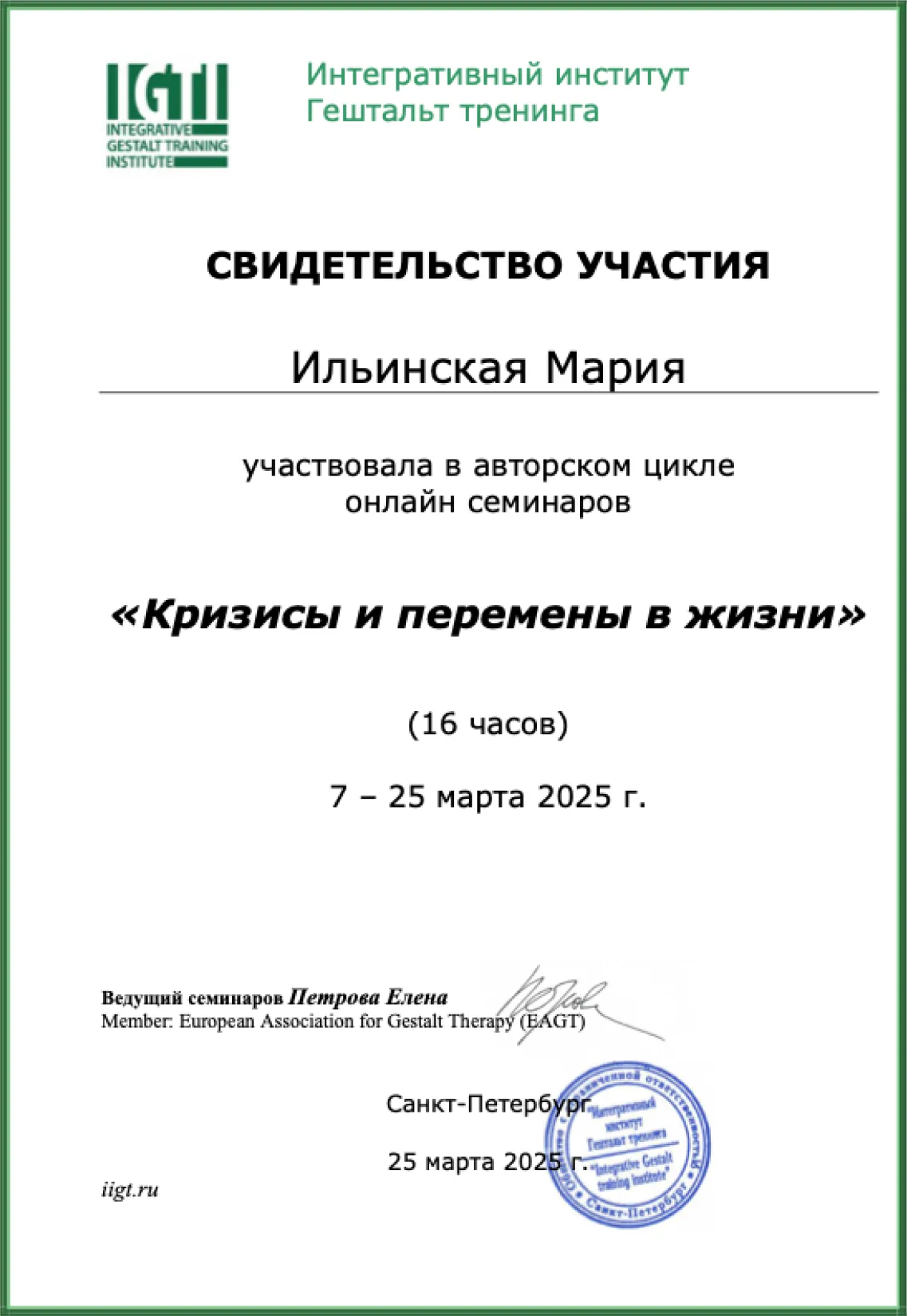
My later training includes courses on trauma work, life crises and changes, and the supervision of complex cases.

I have professional indemnity insurance.