
You have a flat, a bank account that works and a bus route to the office. Then, a year or so in, weekends start to feel longer and emptier.
Many expats describe this: the practical move is over, but the emotional one is still going on. Therapy is a place to look at that second part.
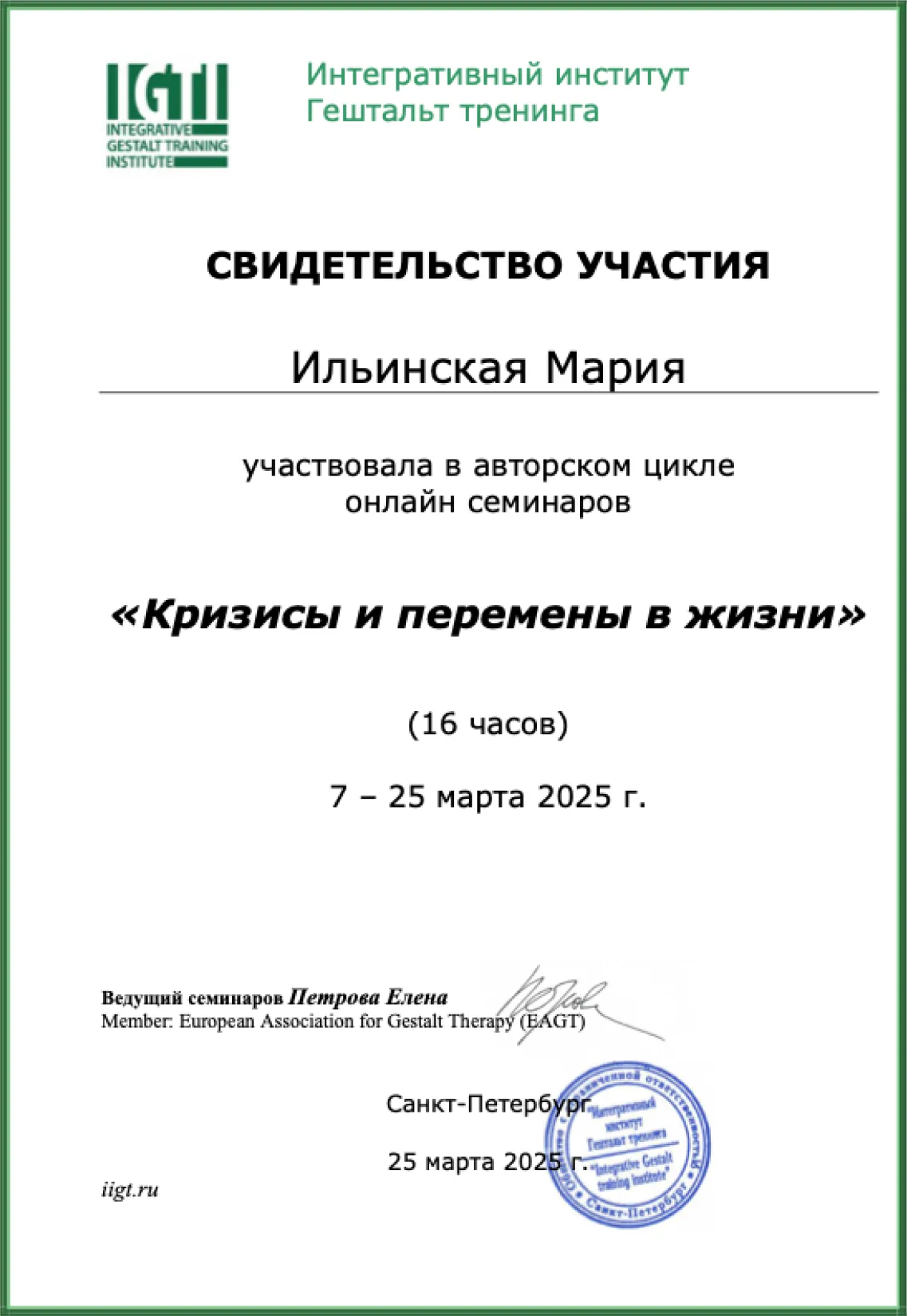
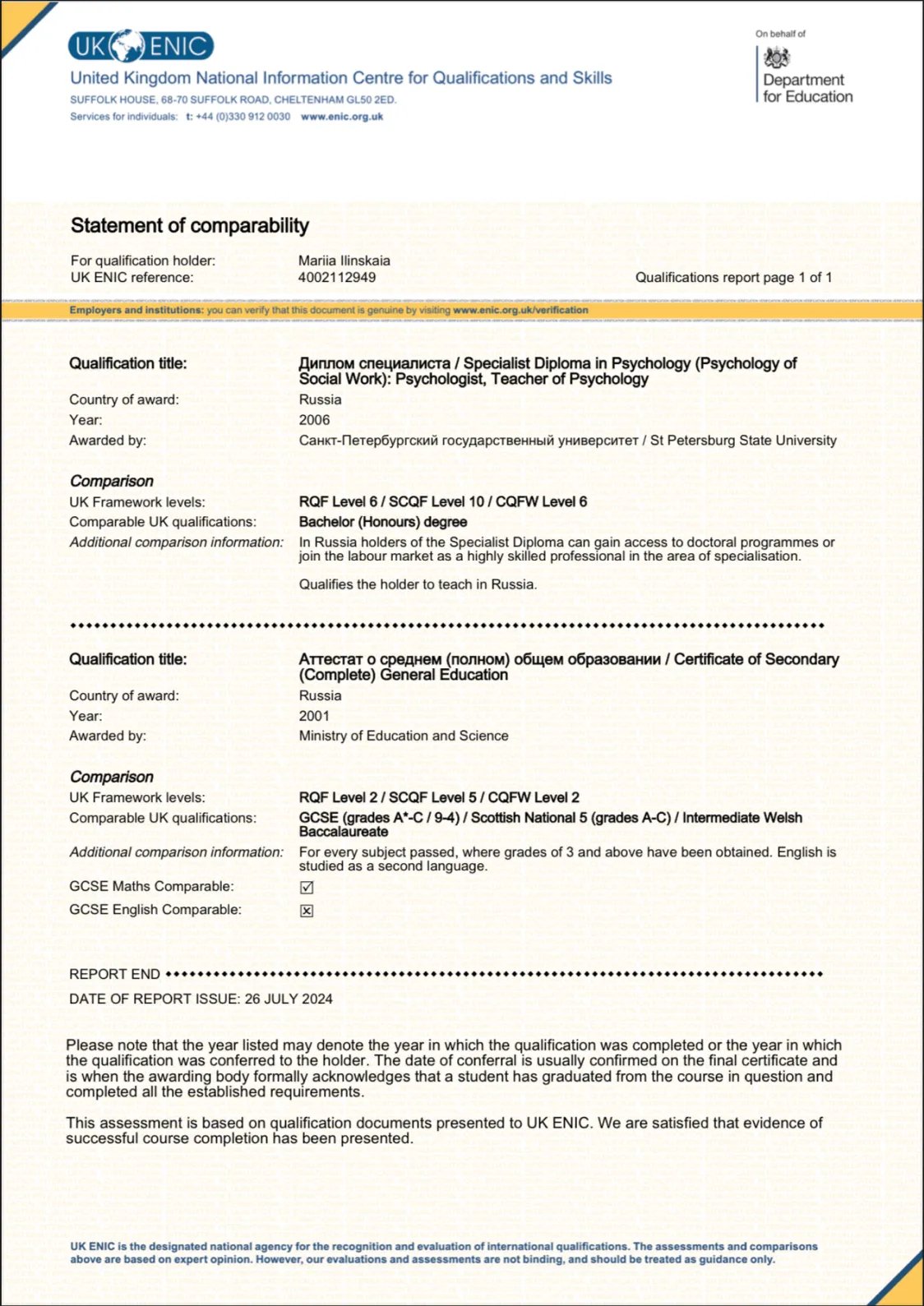
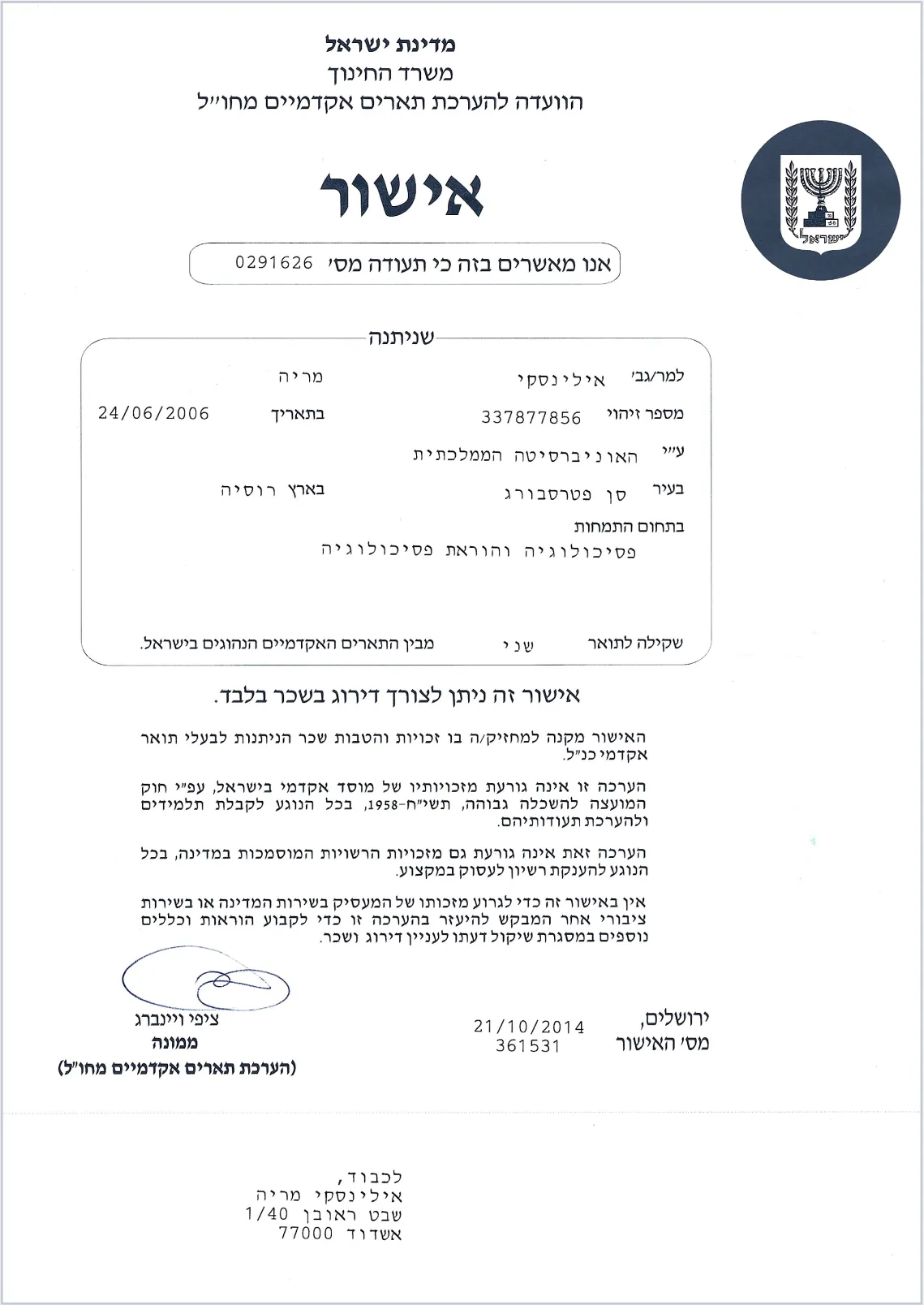
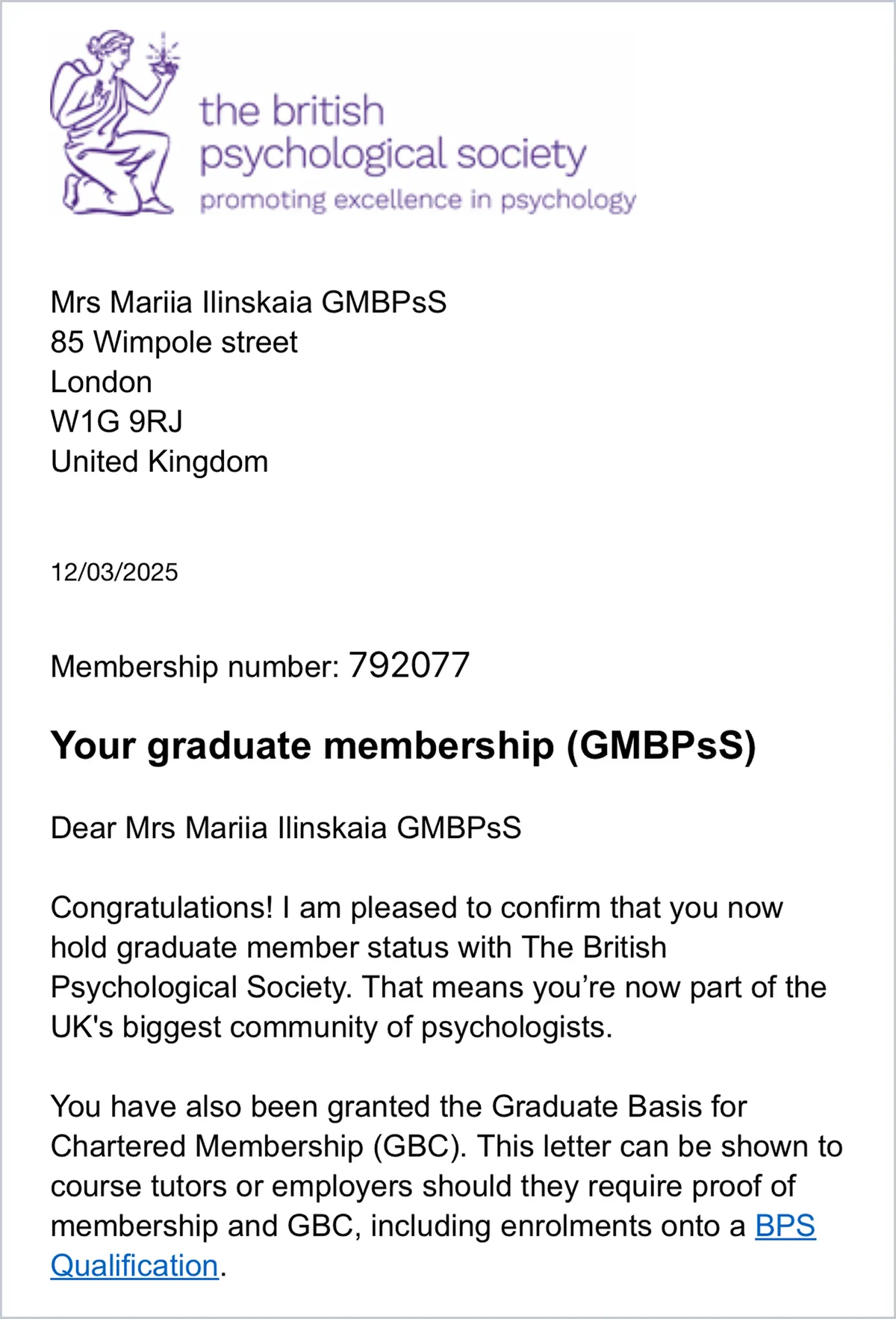
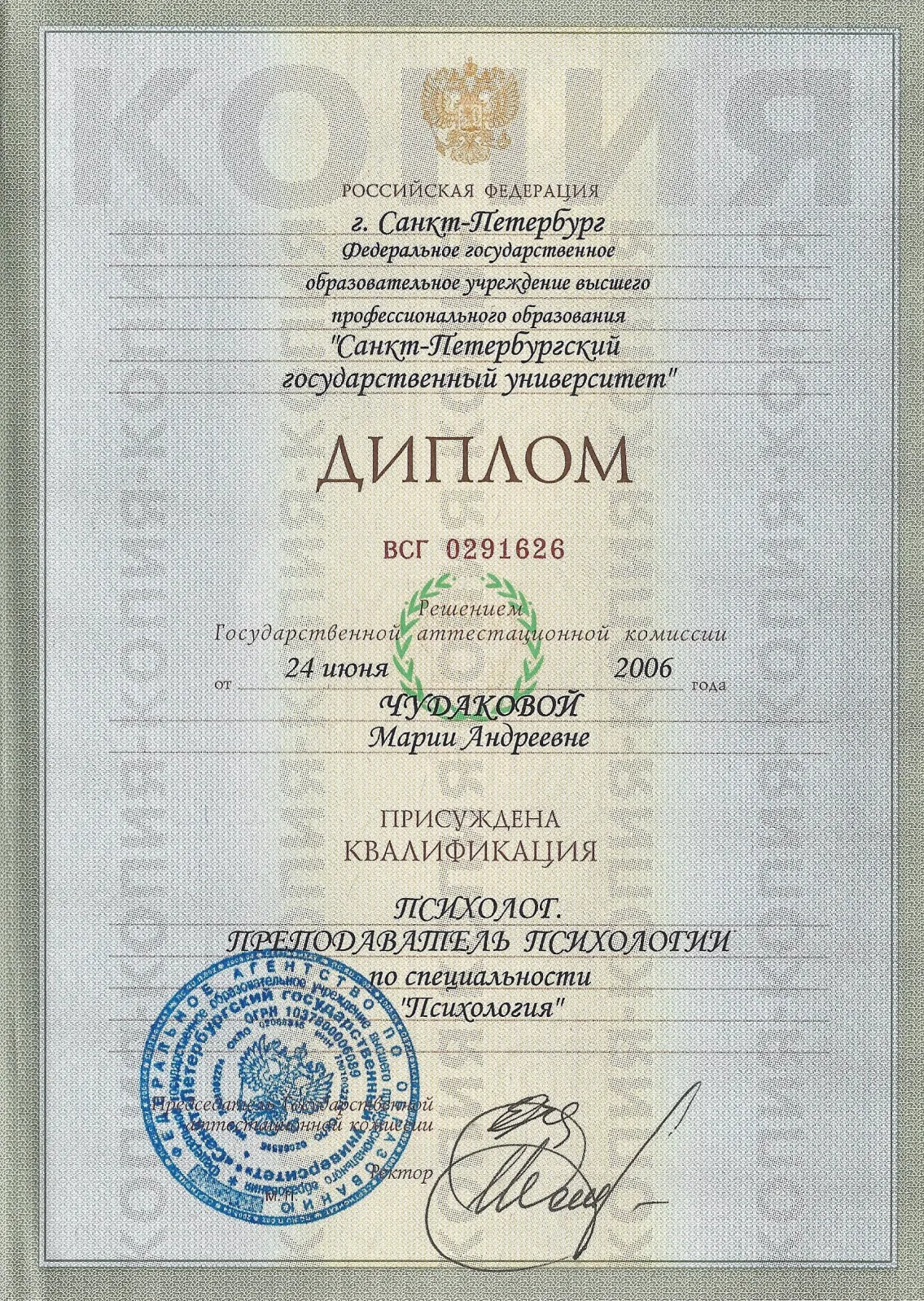
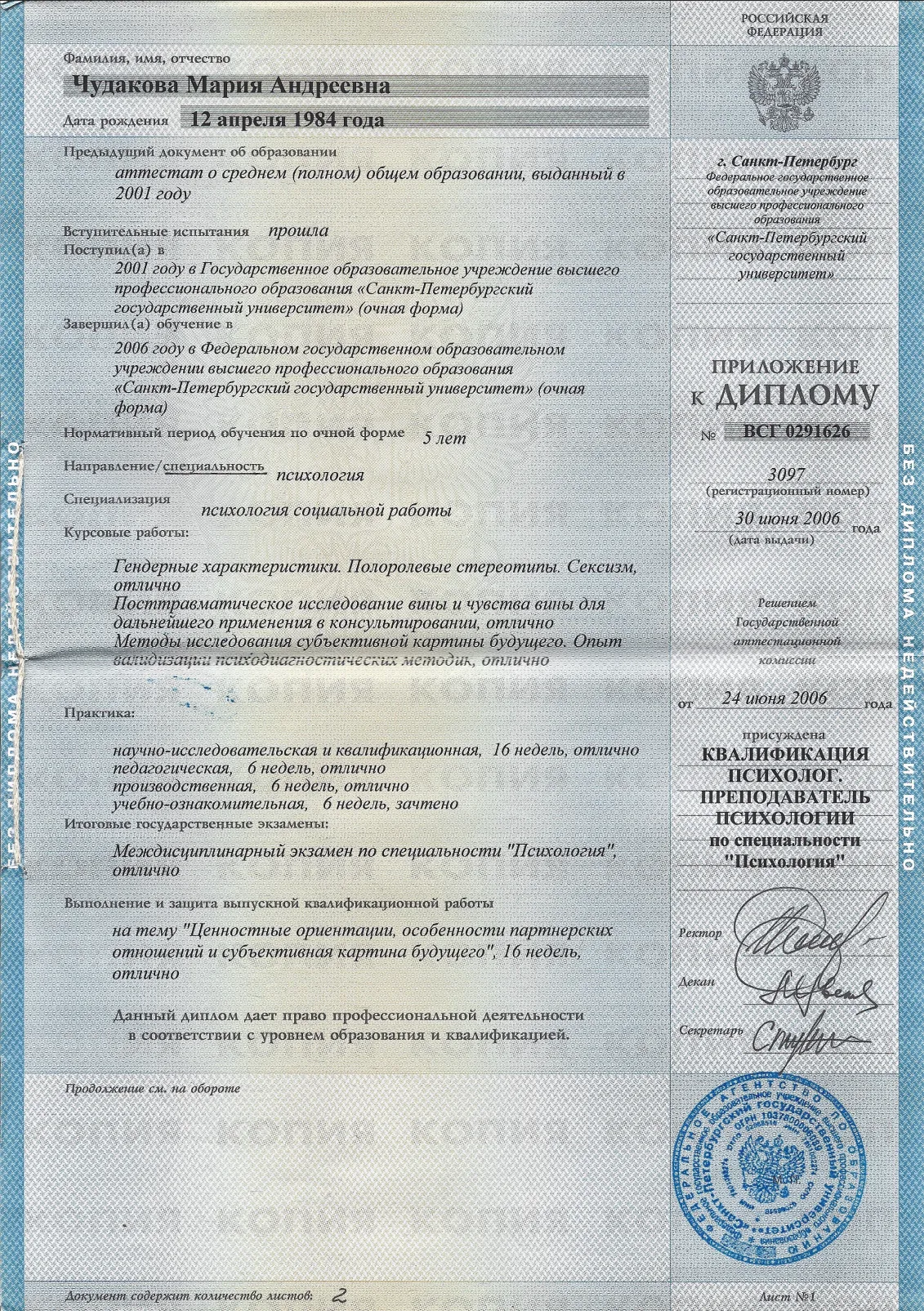
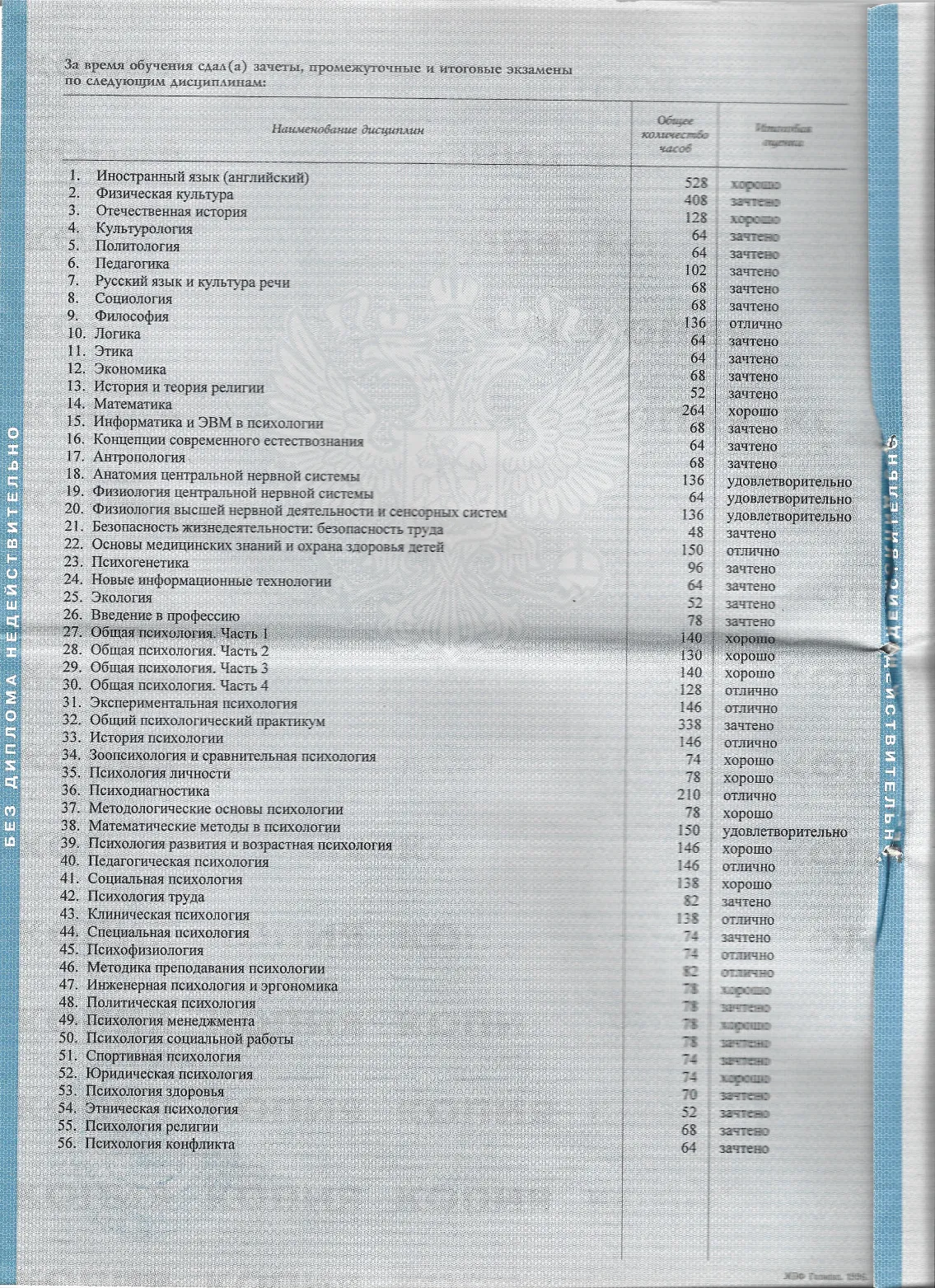
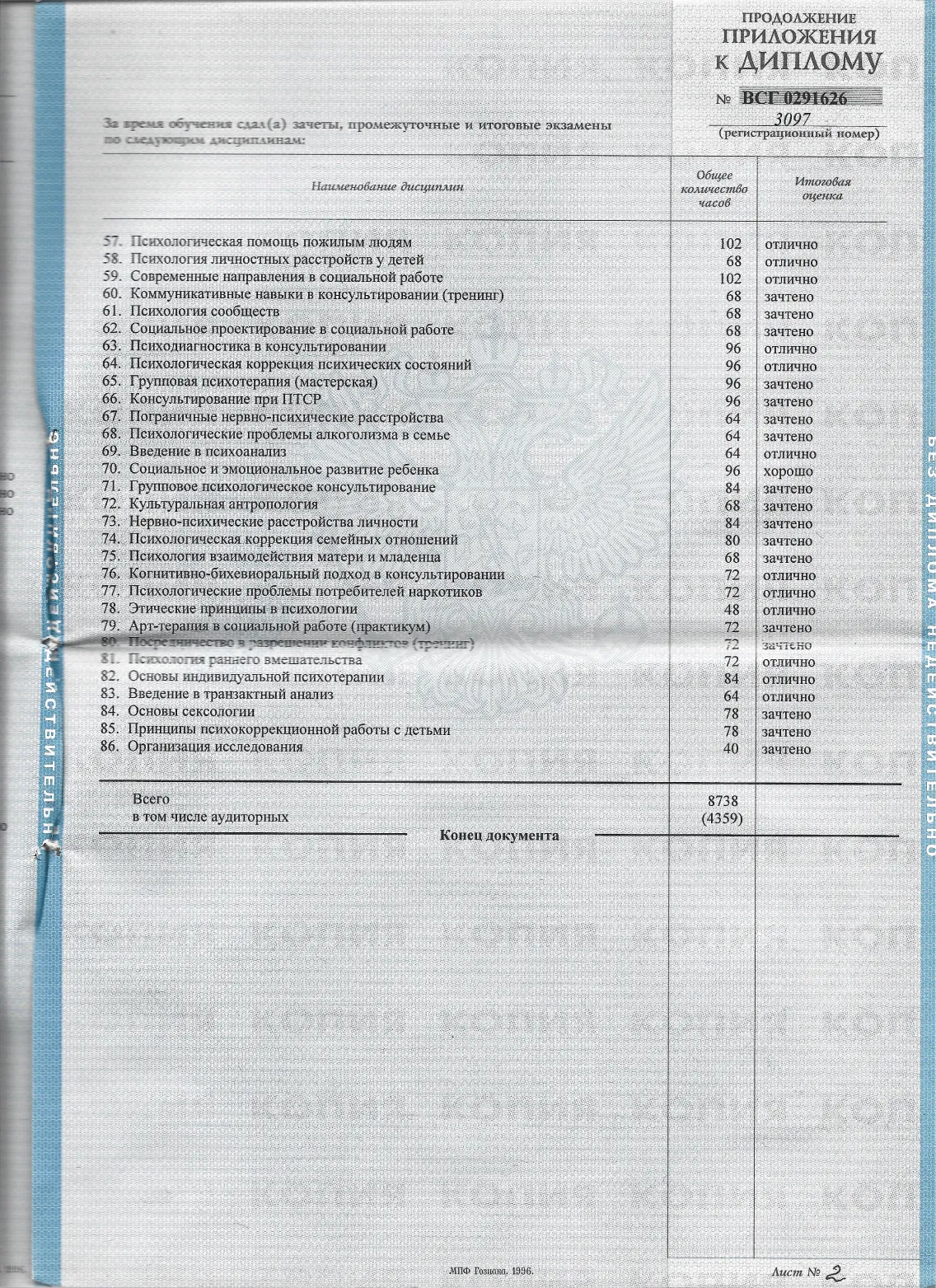
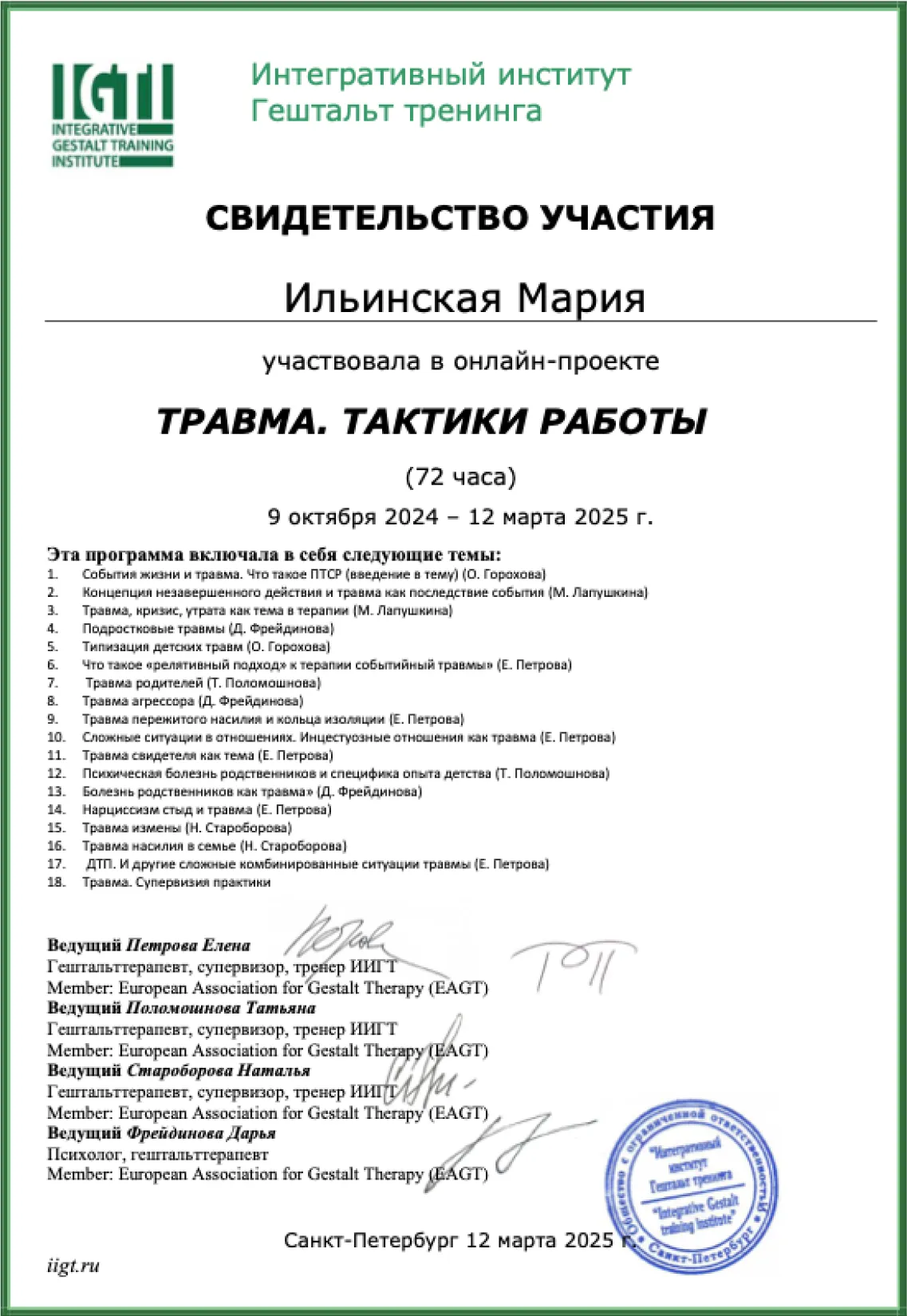
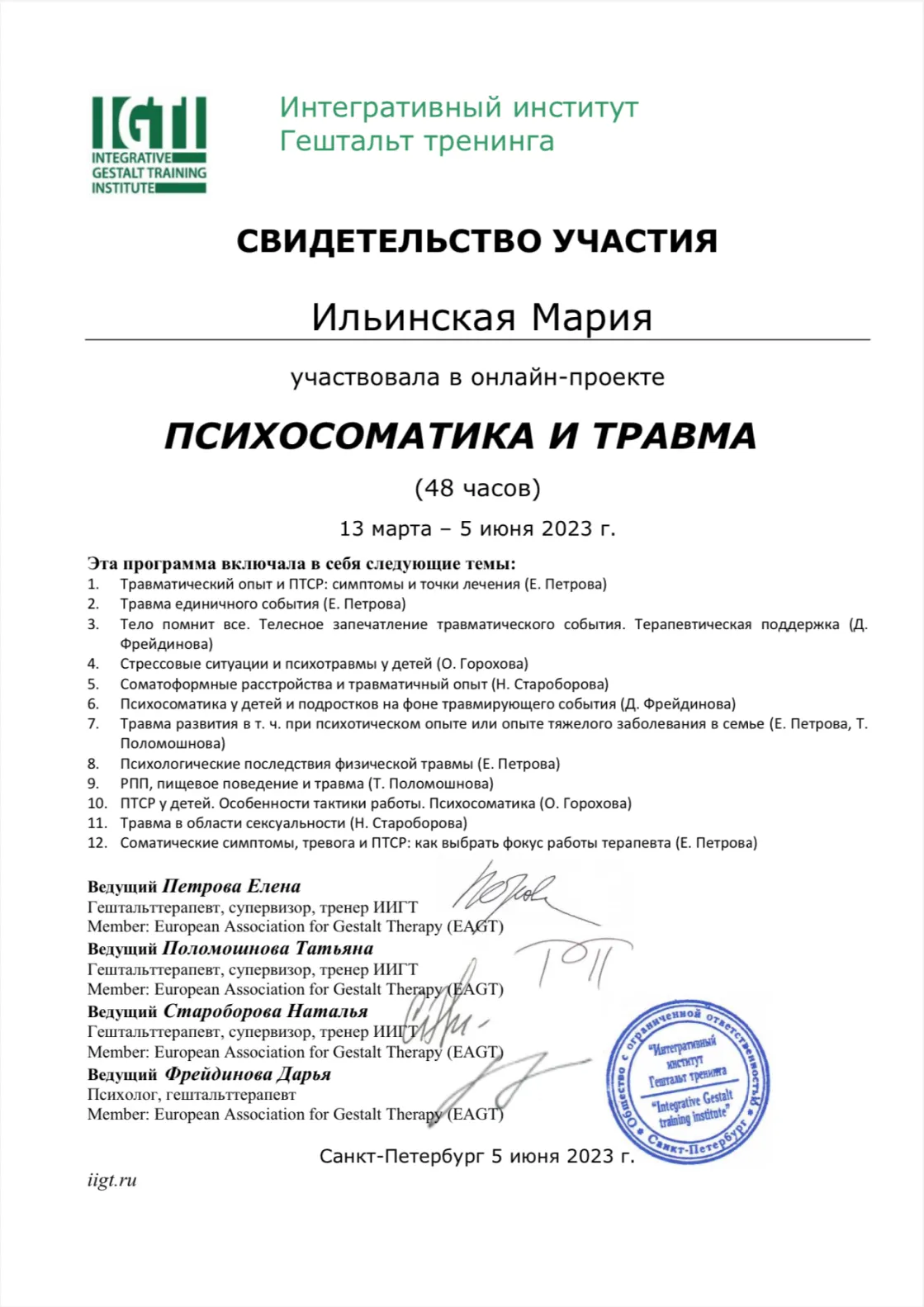
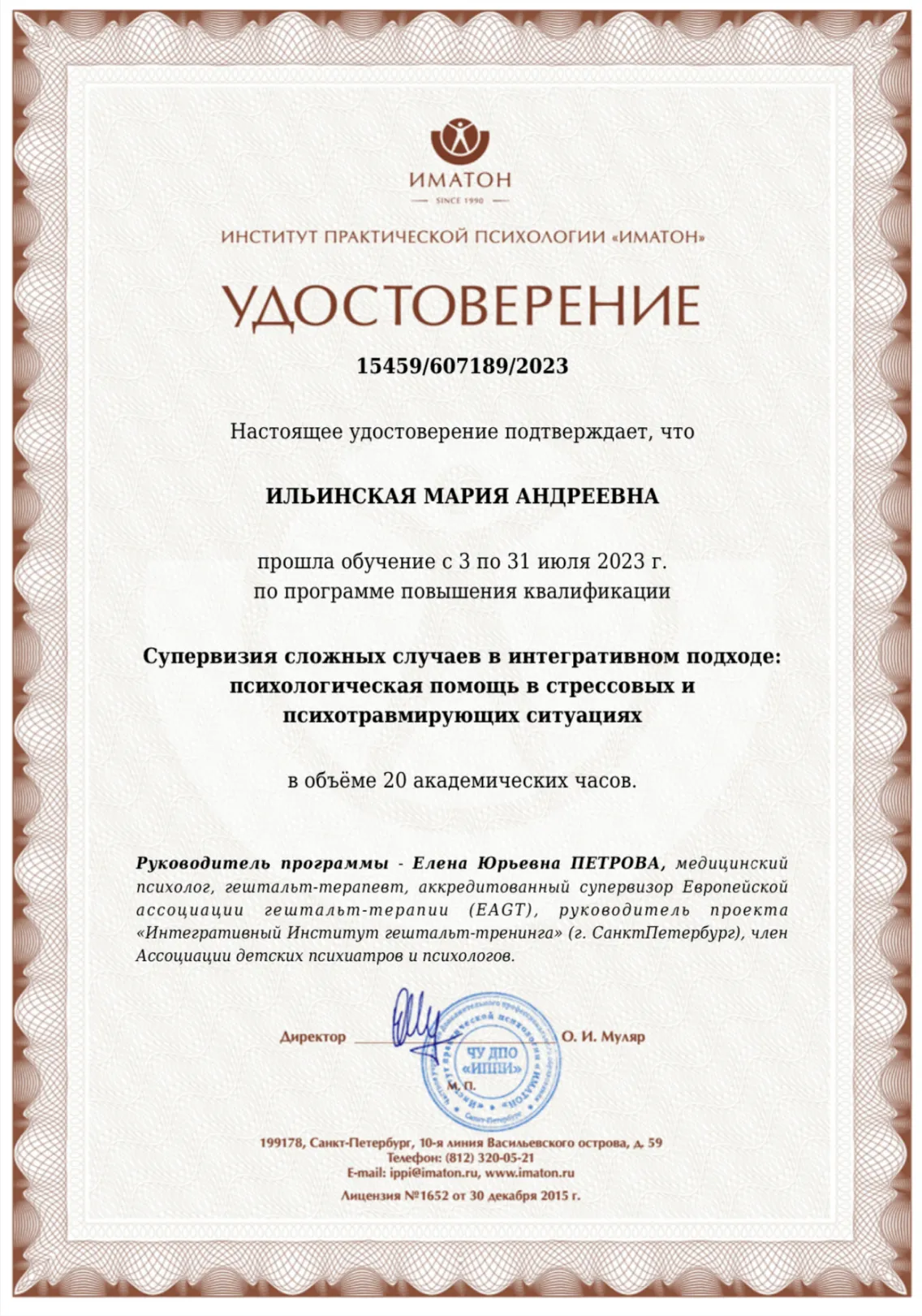
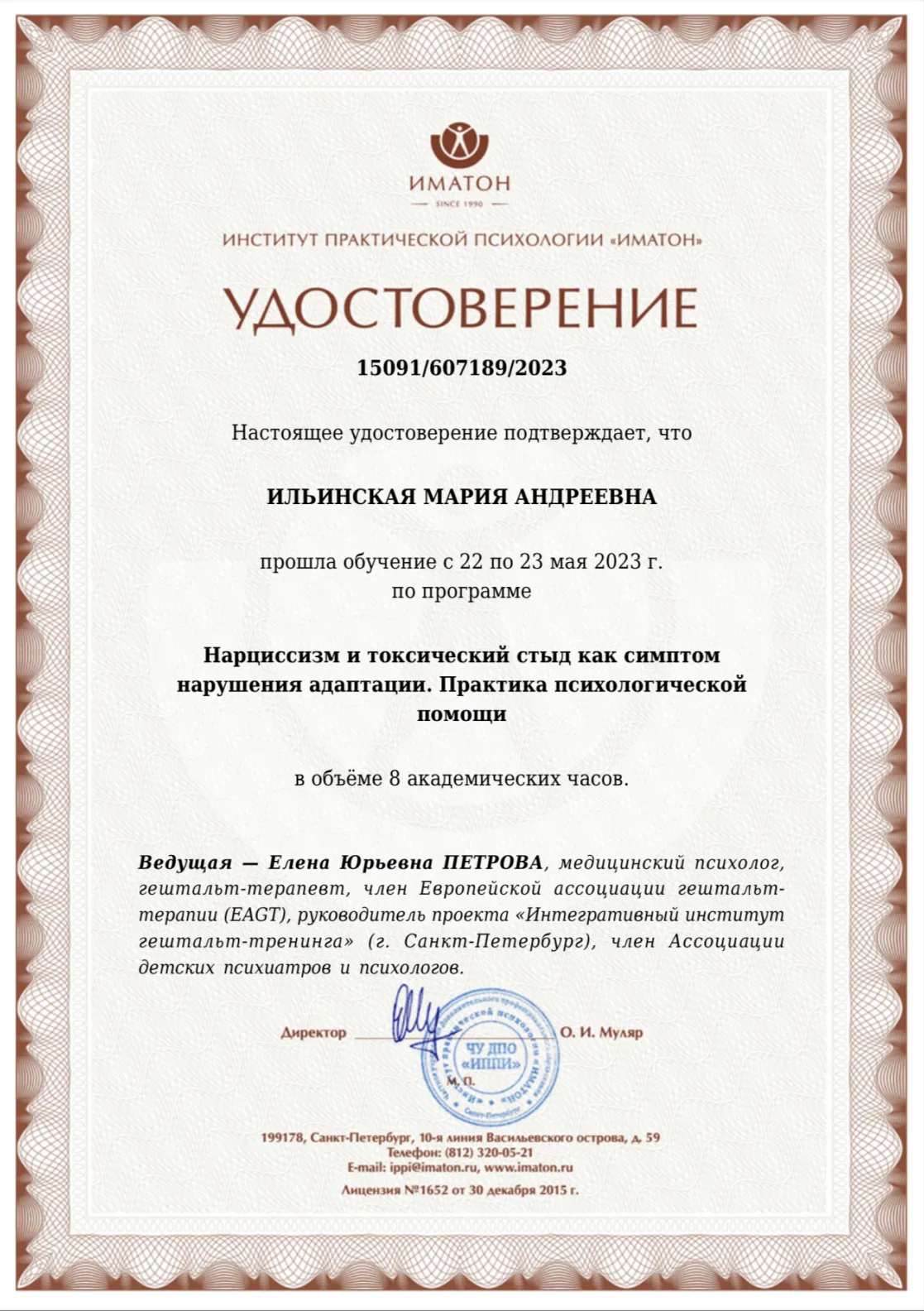
Twice I have had to start again in a new country, with a new language, new paperwork and my degree to get recognised.
Your move will not be the same as mine, but I know from the inside what starting again involves.
Moving to London: why it can feel harder months later
The first weeks after a move are full of tasks: a flat, a National Insurance number, a GP, perhaps a school. Novelty carries people through.
The difficulty often arrives later, when routine sets in and the losses become visible.
Those losses are rarely dramatic: a friend who has known you since you were twenty, family shorthand, laughing a beat late at a joke in a meeting.
Being understood without explaining yourself is easy to take for granted until it is gone.
Settling in rarely runs in a straight line: a good autumn can be followed by a bad spring, and a trip home can unsettle someone for weeks.
We started working on immigration issues, but have long gone beyond one topic.
What people bring to sessions
What expats bring often sounds practical at first, with more underneath:
- Loneliness with a full diary: friendly colleagues and Friday drinks, but no one to call at eleven at night.
- A career that didn’t travel: someone who led a team at home starts again in a junior role, or waits for a qualification to be recognised.
- Living in a second language: quick and funny in your first language, slower and flatter in English, and more tired by evening than the work explains.
- Parents getting older far away: video calls where they look frailer, flights booked at short notice, guilt about not being there.
- Life on a visa timer: renewal dates, whether to apply to stay for good, plans on hold until the paperwork is sorted.
- The pull to go back, or the shock of going back. Home has moved on too, and returning can feel as foreign as arriving here did.
- Guilt about struggling at all. “I chose this, so I have no right to complain” keeps many people from asking for help.
How we work
My approach is integrative, with no set programme for settling in. We start from what matters to you now.
One week that may be a decision you keep putting off, another what you miss, or an old family pattern the move has stirred up.
Often we begin with something specific, such as a call home that went badly, and then look at what it connects to.
We usually meet once a week, and you can stop at any time. Sometimes one session is enough.
Short-term counselling usually takes five or six sessions; therapy means regular sessions for a year or more.