
Maria Ilinsky Message me

Therapy for depression and low mood in London and online

For adults living with low mood, apathy or depression, including when anxiety comes with it. In Marylebone or online, in English or Russian.

Psychotherapy sessions

In person at 85 Wimpole Street

And online via Zoom

Duration — 50 minutes

Fee — £120

You can ask a question first. I usually reply within an hour. Confidential

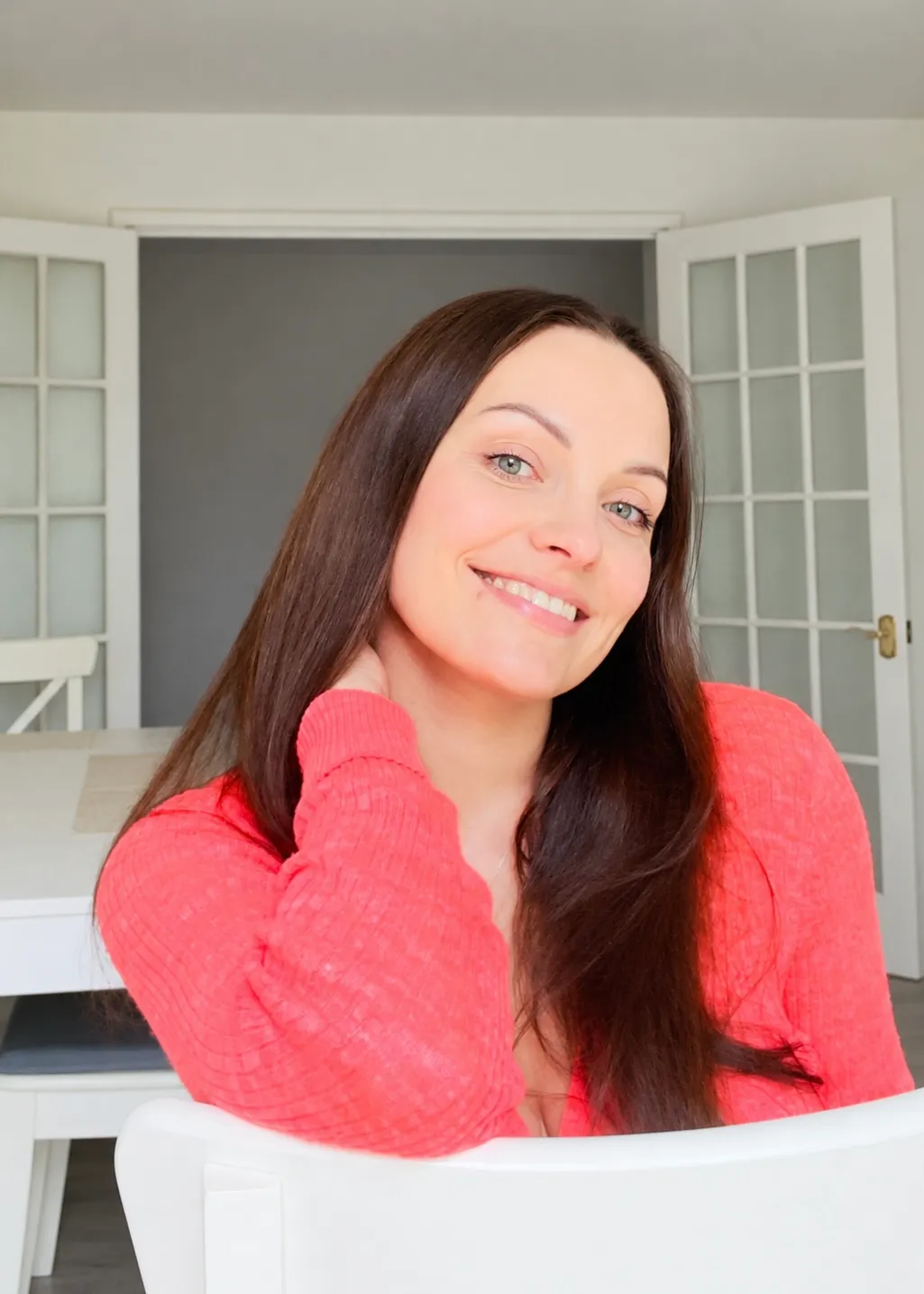
Maria Ilinsky, Psychotherapist in London
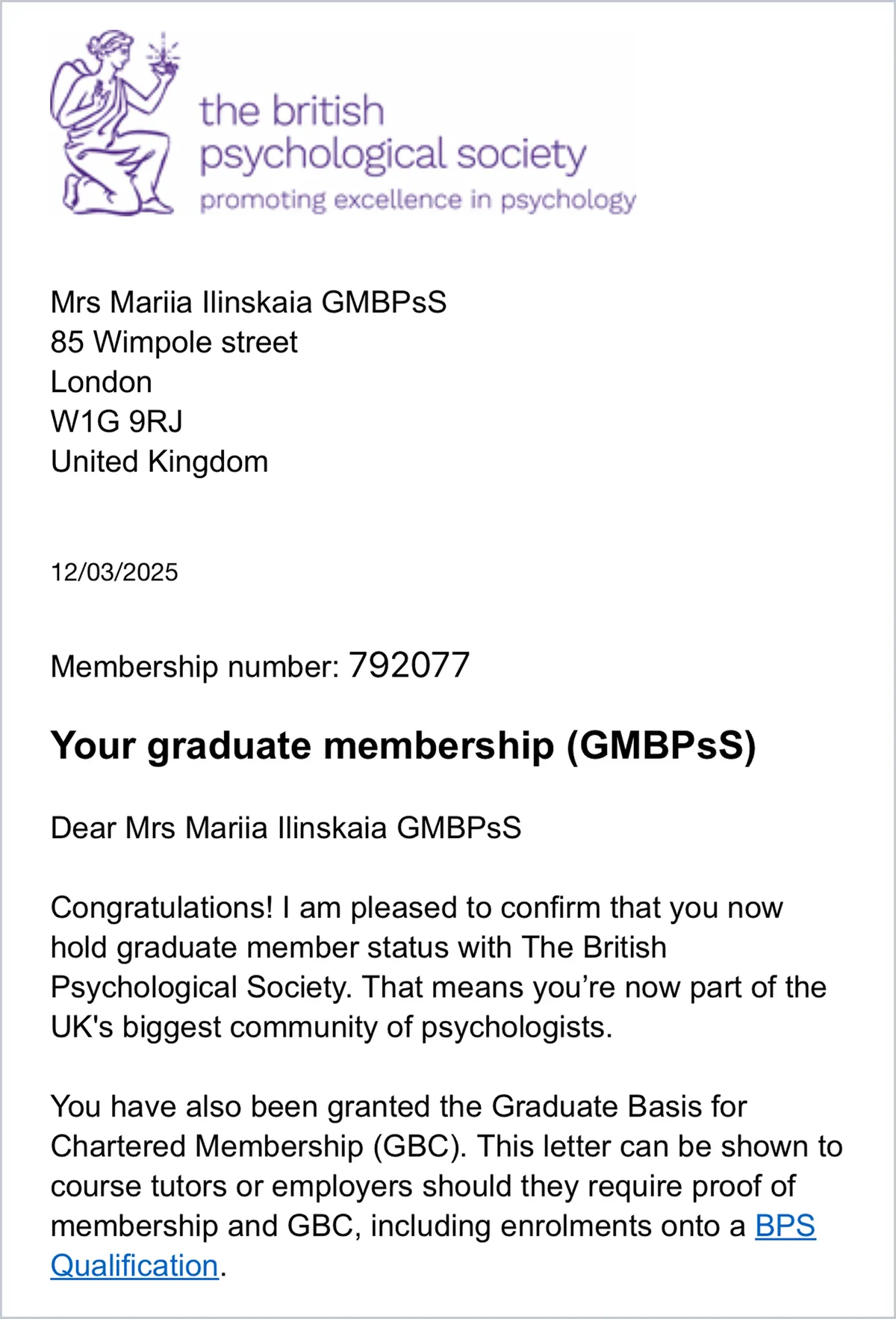
GMBPsS
Graduate Member of the British Psychological Society
14 years
of practice
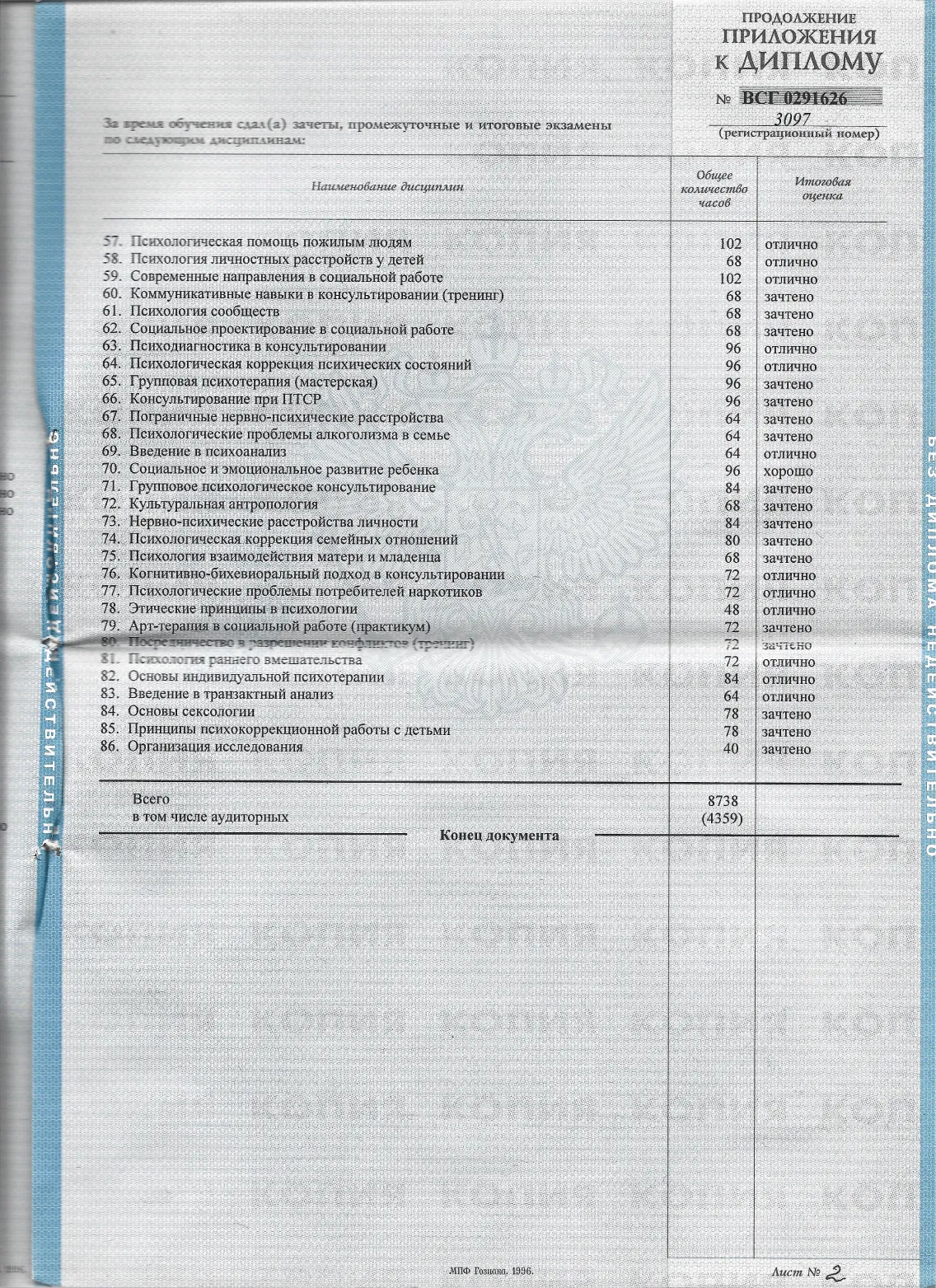
10,205 hours
of training: university degree and further courses
40 reviews
from clients on Google
Maria Ilinsky, psychotherapist in London

Who you will be working with

Maria Ilinsky, psychotherapist

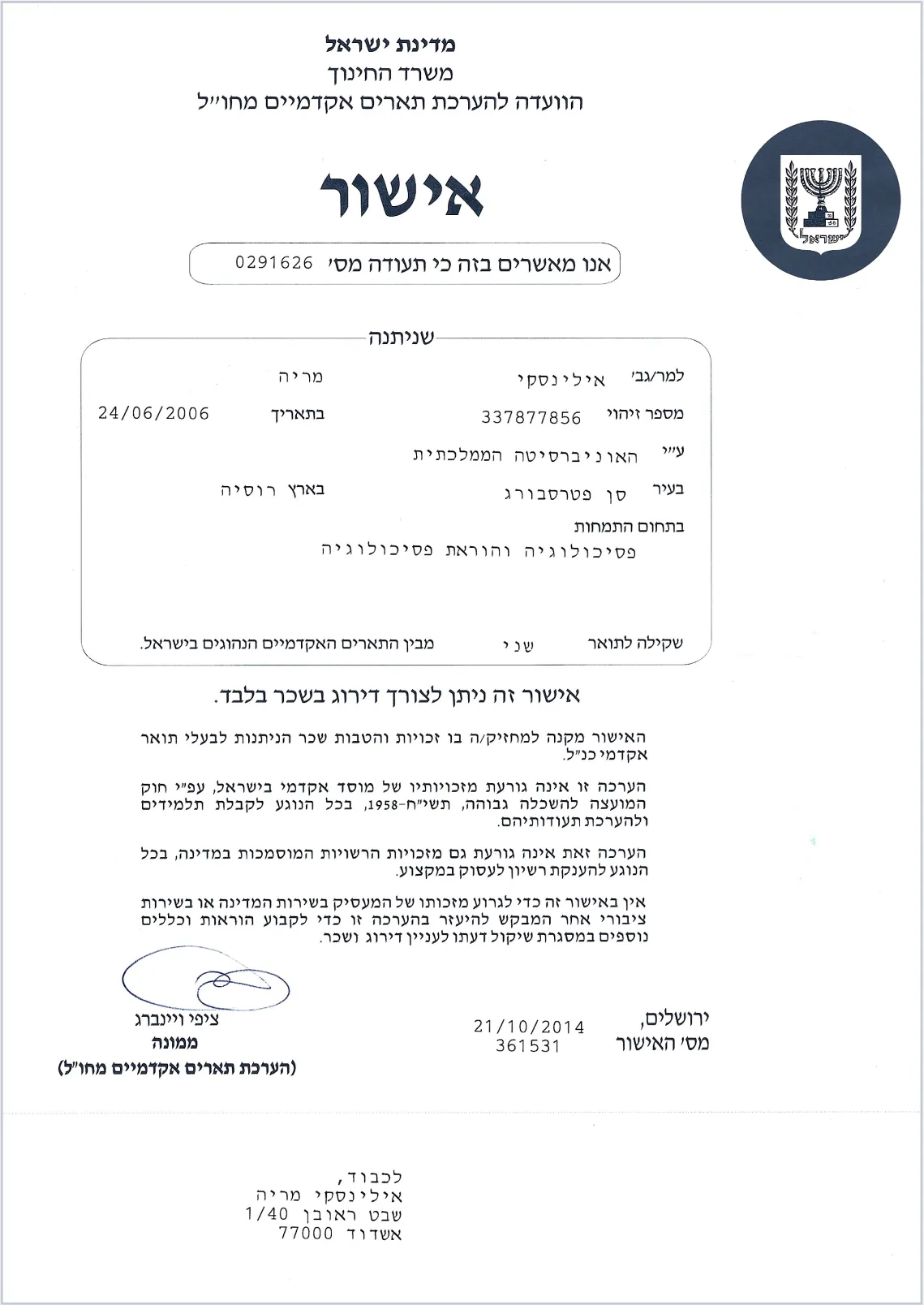
  • Psychology degree, St Petersburg State University; UK ENIC: comparable to a Bachelor’s (Honours) degree
  • Practising since 2006, with breaks; integrative approach, weekly supervision, BPS Code of Ethics
  • I have emigrated twice myself: to Israel (2014) and to the UK (2022)

Depressive episodes are among the conditions I work with. More about me

Depression, low mood or grief?

Most people have flat, fed-up days, and they pass. Depression is different: the NHS describes feeling persistently sad or low for weeks or months.

How severe it is depends on how much it gets in the way of work, relationships and looking after yourself.

Grief after a bereavement is natural and often eases with time; if it doesn’t, or low mood spreads to everything, see your GP.

The NHS suggests seeing a GP if symptoms of depression last most of the day, every day, for more than two weeks.

A GP or psychiatrist can assess whether it is depression, but you don’t need that to start therapy.

How depression shows up day to day

It rarely looks the way it does in films. Some describe it less as sadness and more as having nothing left.

A friend’s message waits a week for a reply, and a whole Saturday goes by on the sofa without any rest in it. Many people recognise some of these:

  • Low mood for most of the day, or a flat, numb feeling
  • Losing interest in things you used to enjoy, from music to sport
  • Tiredness that sleep doesn’t fix, or waking at four or five in the morning and lying there
  • Moving or speaking more slowly, changes in appetite, aches with no clear cause
  • Guilt, harsh thoughts about yourself, feeling hopeless
  • A short fuse with those closest to you
  • Finding even small decisions hard, such as what to cook

Some keep going – deadlines met, children looked after – and fall apart only once the door closes. It looks fine, so they decide it can’t be depression.

For others it shows up less as sadness than as a shorter temper, drinking more than usual or ever-longer hours at work.

I didn't really believe in psychology before and thought that I needed to cope on my own

Arthur Zinnurov · Translated from Russian

What can sit behind low mood

Sometimes there is a clear trigger. The NHS mentions life events such as bereavement or losing a job, and a family history of depression makes it more likely.

Low mood can also follow a break-up, years of burnout, caring for someone who is ill, or a move to another country.

Or there is no obvious reason: nothing bad has happened, yet getting out of bed is hard. You don’t need to know why to ask for help.

Anxiety often comes with it, and the NHS lists it among the symptoms of depression. If anxiety is what troubles you most, see also anxiety therapy.

How I work with depression

My approach is integrative, so there is no fixed manual to get through.

We often start from how the last week went: how you slept, what got put off, which part of the day was hardest.

Over time we look at what may be keeping the low mood in place. For some people it is standards they never quite meet, or feelings pushed aside for years.

For others it is relationships that take more than they give, or a life that has quietly lost what used to matter.

The point is to see what the heaviness is made of, not to argue you out of it.

How to start

  1. Message me in the website chat

    One line is enough. You don’t need to describe the problem in writing.

  2. We agree a time

    In person at 85 Wimpole Street, W1G 9RJ, or online via Zoom. Weekday evenings are available; I don’t work at weekends.

  3. The first session

    50 minutes, £120, the same in person and online. We get to know each other; you share only what you feel ready to share.

    Afterwards you decide whether to book again: no packages, no commitment.

You don’t need a topic or a plan. ‘I don’t know what to say, I nearly cancelled’ is a perfectly good way to begin.

You can cancel or move a session free of charge with at least 48 hours’ notice.

On an NHS waiting list, taking antidepressants or not yet registered with a GP? You can still start private sessions.

You can ask a question first. I usually reply within an hour. Confidential

Urgent help: 999 or A&E in an emergency · NHS 111, mental health option · Samaritans 116 123, free, any time.

Is CBT the best therapy for depression?

There is no single answer. The NHS offers several talking therapies for depression, usually over 8 to 16 sessions.

They include CBT (cognitive behavioural therapy), counselling, interpersonal therapy, psychodynamic psychotherapy and behavioural activation.

CBT is structured: it looks at how thoughts, feelings and actions affect each other, with practice between sessions.

My work is integrative rather than a CBT course: no set number of sessions, and more room for your history, relationships and feelings that are hard to name.

If you want a structured CBT course and are registered with a GP, you can refer yourself to NHS Talking Therapies; waits can run to weeks or months.

Therapy, your GP and antidepressants

It doesn’t have to be one or the other: for more severe depression, the NHS says an antidepressant with CBT usually works better than either alone.

I can’t prescribe medication; that is for your GP or a psychiatrist.

If you take antidepressants, don’t stop or change the dose without your doctor, and tell me in the first session what you take.

When therapy isn’t the first step

In some situations a GP, a psychiatrist or urgent help should come first:

  • Thoughts of suicide turning into plans, or feeling unable to keep yourself safe: the urgent contacts are below
  • Lows alternating with highs: unusual energy, restlessness, hardly needing sleep, which can be a sign of bipolar disorder
  • Psychosis, or depression with an eating disorder or a drug or alcohol problem

One of the reviews below describes an honest conversation about whether therapy alone is enough.

Sources (7)

What clients say

40 reviews on Google

Questions about therapy for depression

I’m still getting through work and life. Is that bad enough for therapy?

There is no threshold you have to reach. If your mood has been low for weeks and it is changing how you live, that is reason enough to talk to someone.

I tried CBT and it didn’t help. Is it worth trying therapy again?

It can be. A course that didn’t fit says more about the fit than about you. Tell me which parts helped and where it stopped fitting, so that we build on what worked.

Should I see a psychiatrist or a therapist?

A psychiatrist is a medical doctor who can diagnose and prescribe; in the NHS you usually reach one through your GP. I work through conversation and don’t prescribe. Many people see both.

Will my GP or my employer know that I’m seeing you?

Not from me. You pay privately, not through insurance, so neither your GP nor your employer is involved. My client agreement lists the exceptions: a risk to your life, a serious threat to others, or a court order.

What if I can’t find the energy to talk?

Then we start from there. Short answers and pauses are fine, and we can begin with something concrete, such as how you have been sleeping. You don’t have to tell your whole story in the first session.

Do you work with depression and anxiety together?

Yes. Both are part of what I work with, and they often come together. Rather than picking one, we look at how each keeps the other going, and we can start with whichever is louder at the moment.

Is online therapy an option if leaving the house is hard?

Yes. Sessions on Zoom work in the same way as in person; you need a private space and a phone or computer. When energy is low, not having to travel can make it easier to keep coming.

£120 every week is a lot. Is it worth it if I’m not sure therapy will help?

I can’t promise results. What you get: sessions on Wimpole Street, W1, or online, in English or Russian, no packages, and a reply usually within an hour. If cost holds you back, NHS Talking Therapies is free, or we can meet fortnightly.

Do I need a GP referral or a diagnosis?

No. Private sessions do not need a referral from your GP or a diagnosis.

If you are already seeing your GP or a psychiatrist, therapy can run alongside that care.

What do you work with?

I work with adults (18 and over), individually and with couples. Among mental health conditions: depressive episodes, anxiety disorders and the effects of trauma, including PTSD. I don’t work with bipolar disorder, eating disorders or addictions.

When would you suggest seeing a psychiatrist?

If I notice signs of a condition I don’t work with, I suggest seeing a psychiatrist as well, so that you are not left with therapy alone. If there is a serious risk of suicide, I ask you to see one as soon as possible.

How often do we meet, and for how long?

You decide, and I can advise. Most people come weekly, some fortnightly.

Sometimes one session is enough; short-term counselling is usually 5–6 sessions, therapy a year or more. There is no set number, and you can stop at any time.

You can ask a question first. I usually reply within an hour. Confidential

About me and qualifications

My biography

I’m originally from St Petersburg. After university I worked in counselling under supervision and co-facilitated psychology workshops.

In Israel I worked at Maccabi Healthcare Services, mostly with trauma, anxiety and relationship difficulties.

Since moving to the UK, I have had a private practice in central London: individual and couples sessions for adults, in person and online.

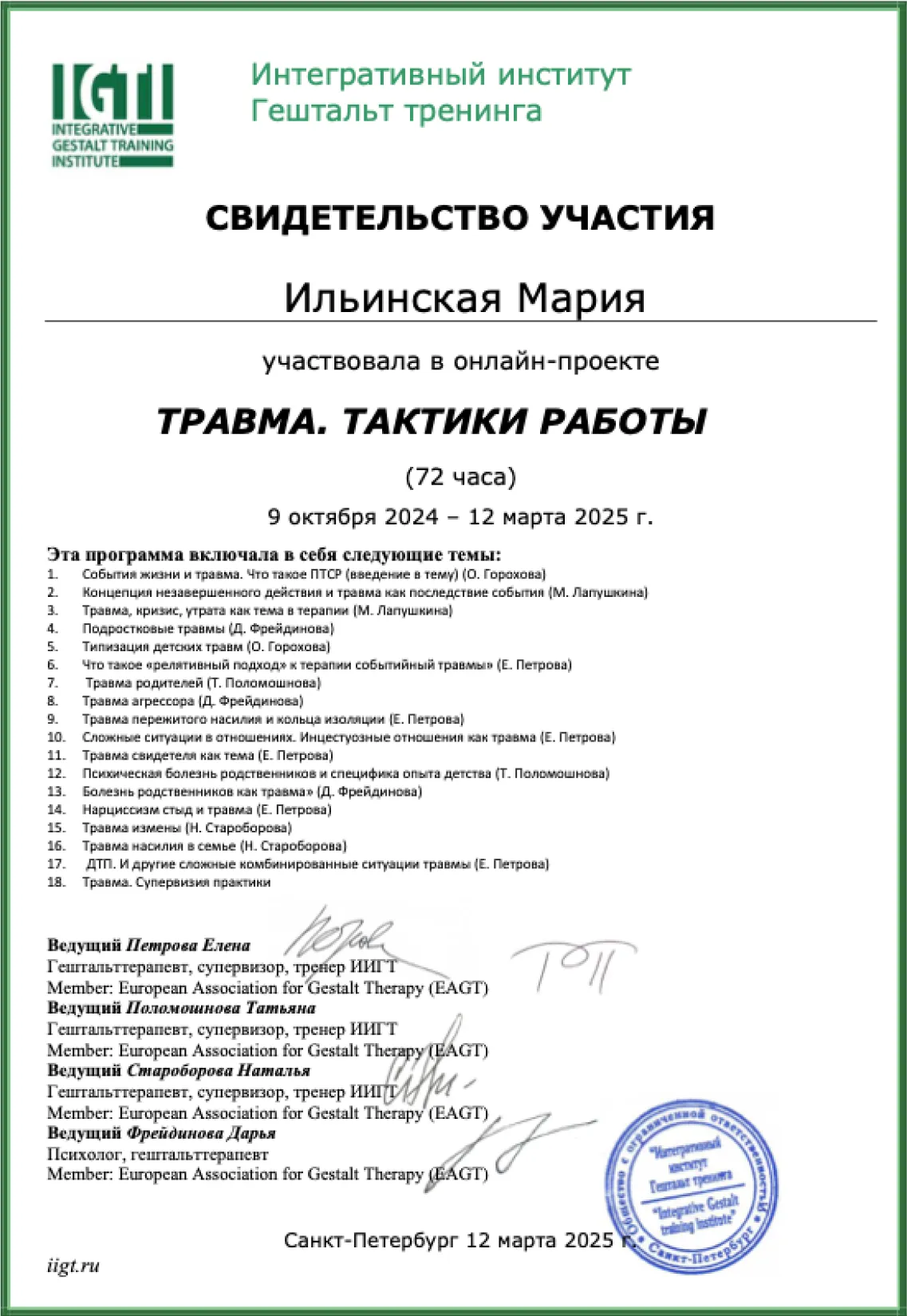
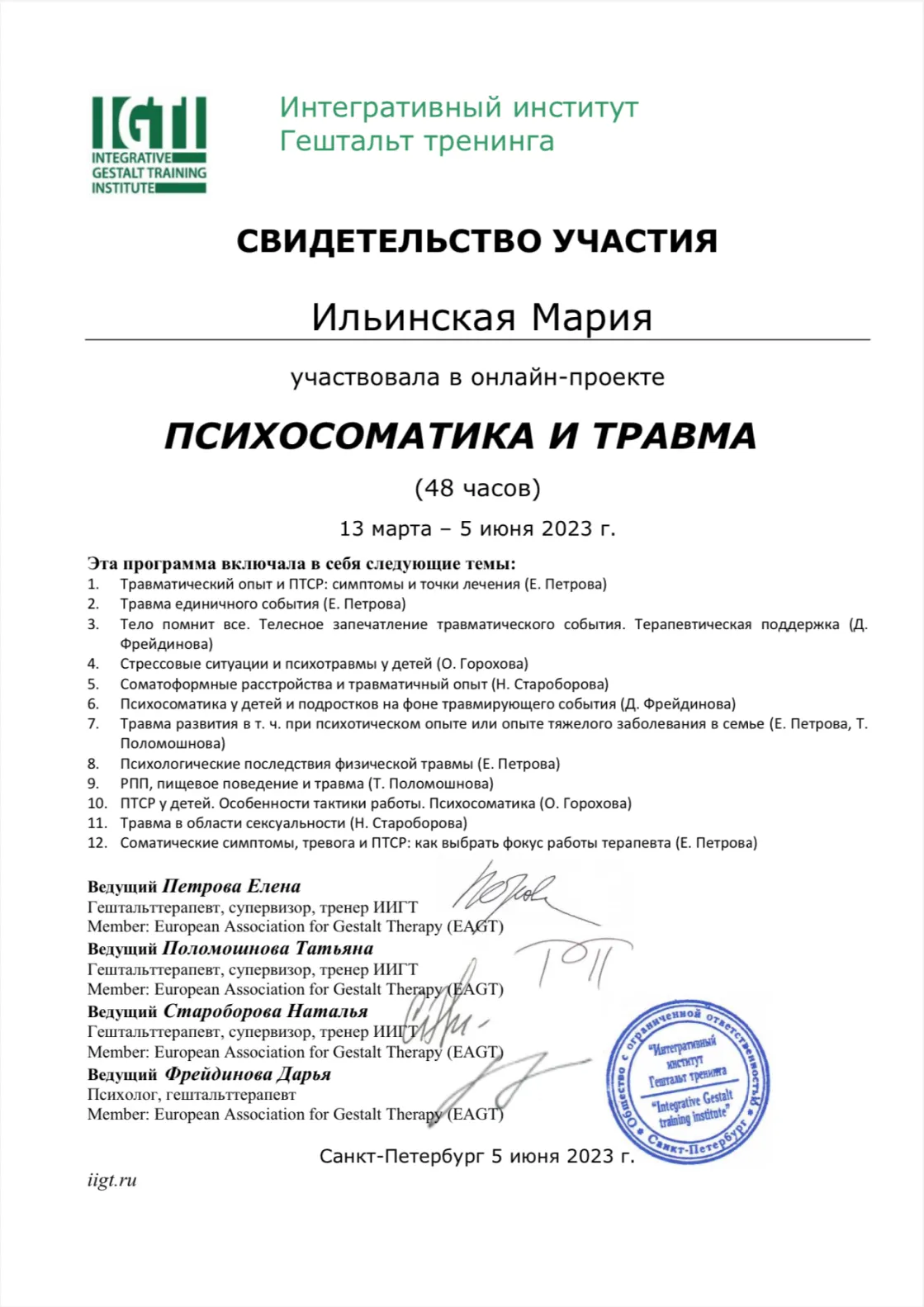
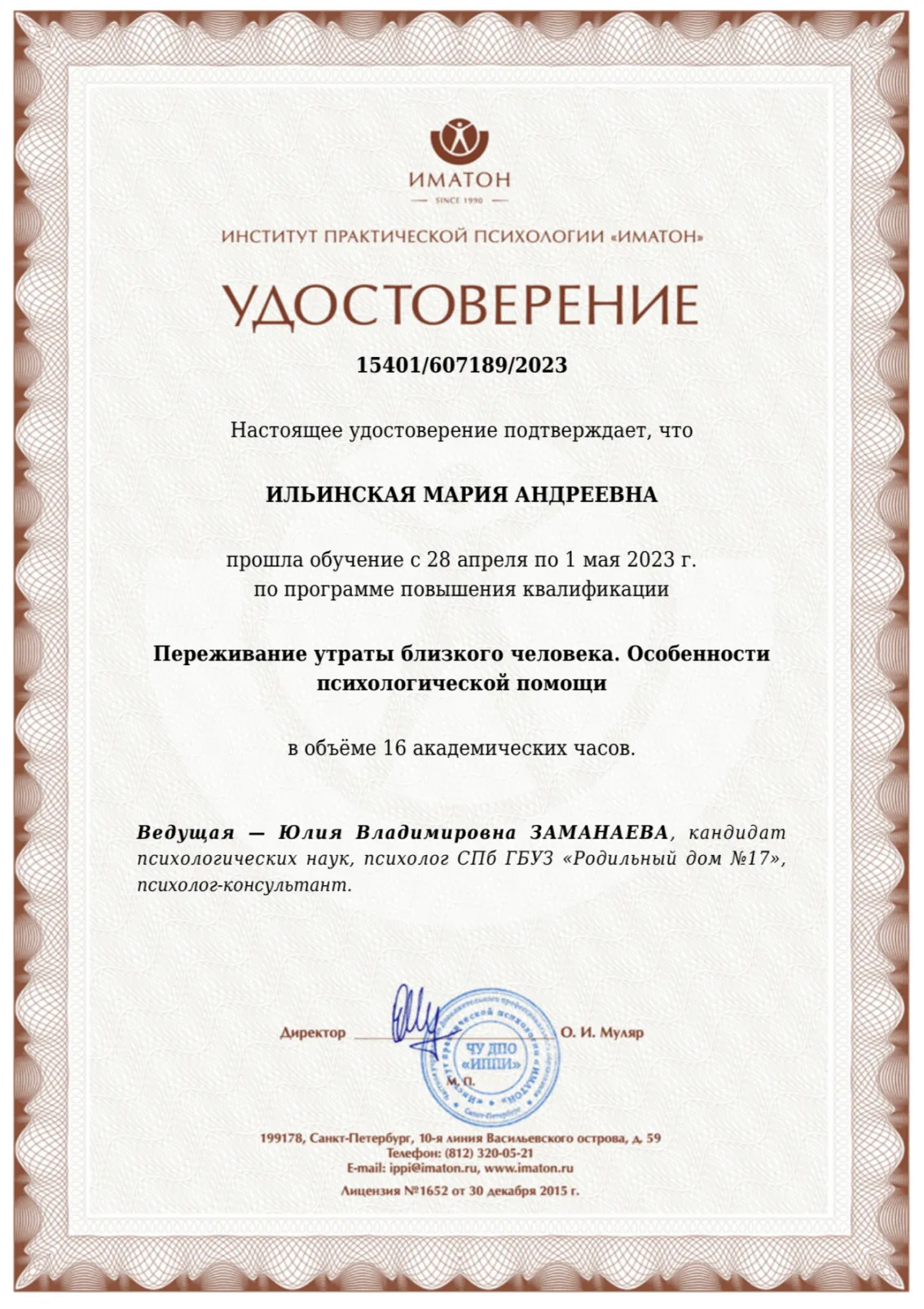
My later training includes courses on trauma work, life crises and changes, and the supervision of complex cases.

I have professional indemnity insurance.