
Maria Ilinsky Message me

Therapy for low self-esteem and confidence in London

For adults who are hard on themselves: a loud inner critic, a fear of being found out at work, a hard time saying no. Sessions in English or Russian.

Psychotherapy sessions

In person at 85 Wimpole Street

And online via Zoom

Duration — 50 minutes

Fee — £120

You can ask a question first. I usually reply within an hour. Confidential

Maria Ilinsky, Psychotherapist in London
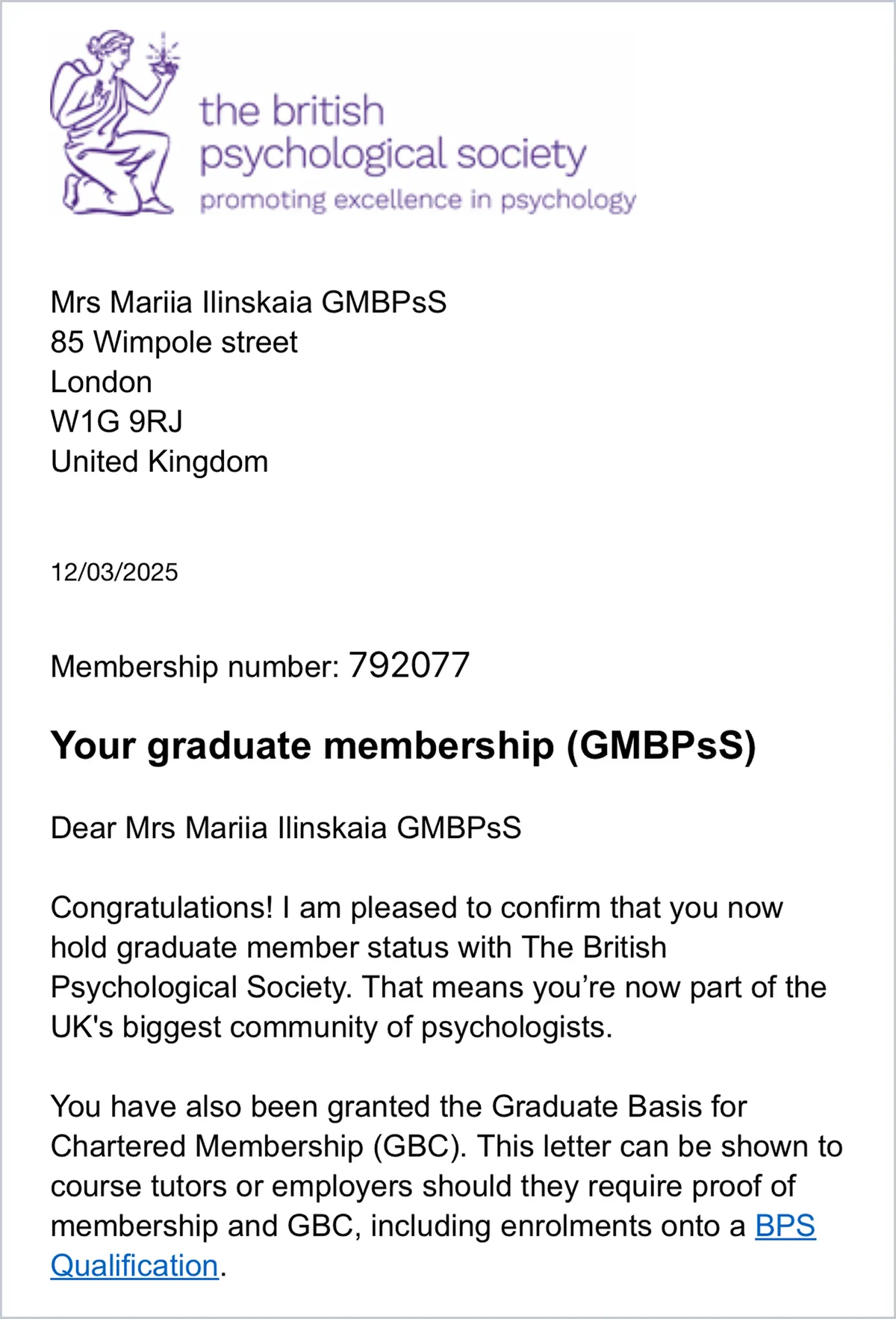
GMBPsS
Graduate Member of the British Psychological Society
14 years
of practice
10,205 hours
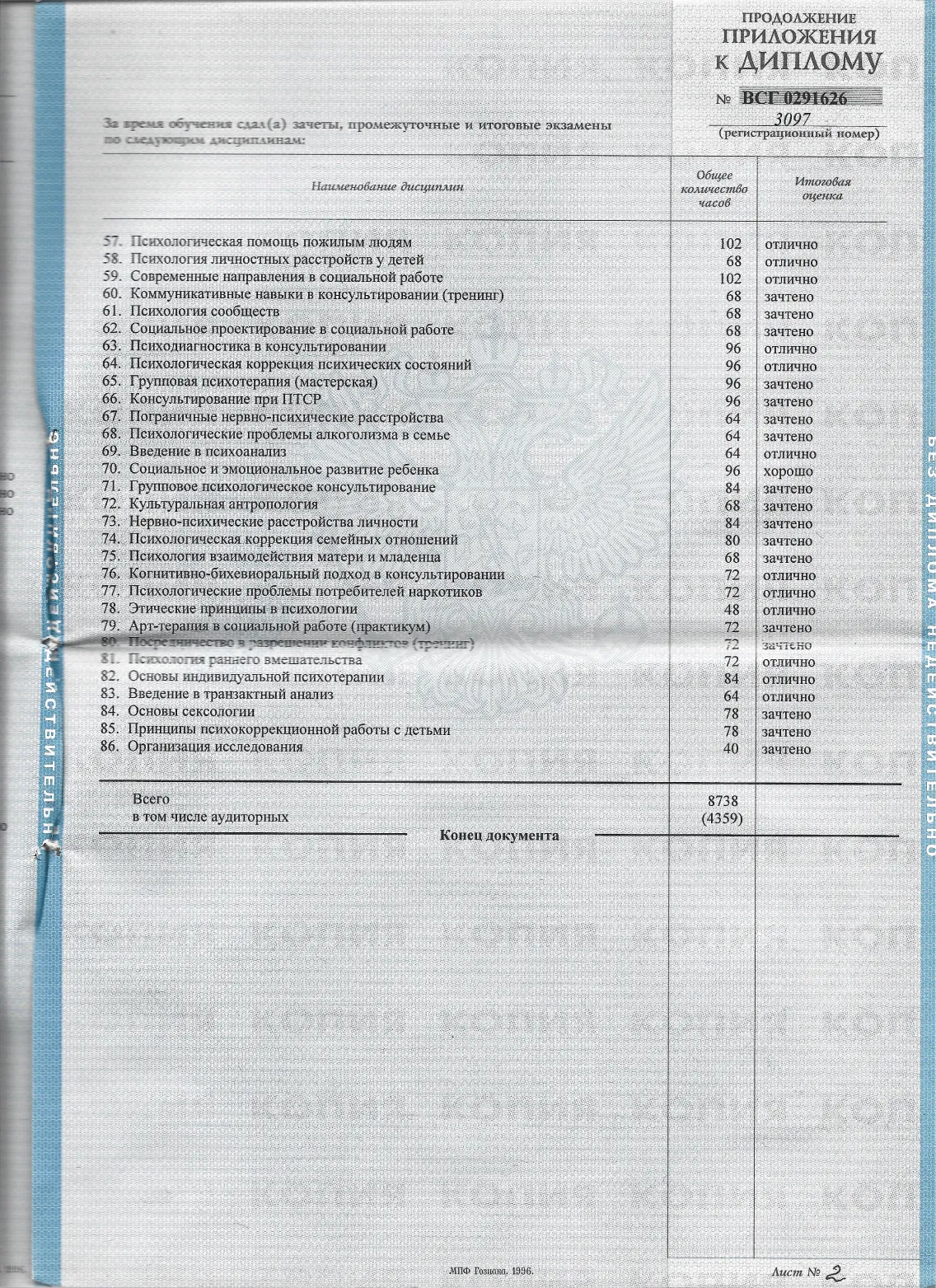
of training: university degree and further courses
40 reviews
from clients on Google
Maria Ilinsky, psychotherapist in London

Who you will be working with

Maria Ilinsky, psychotherapist

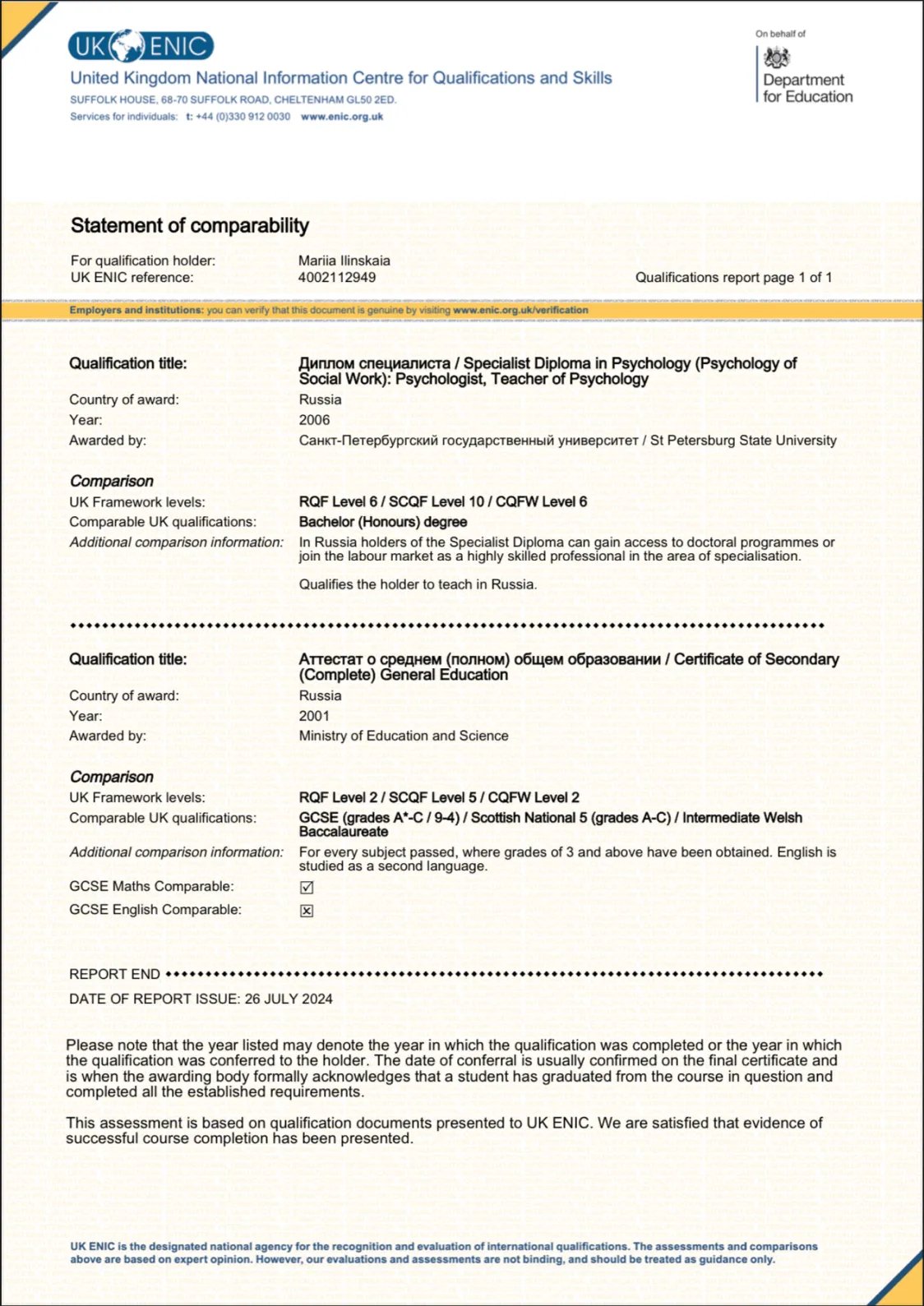
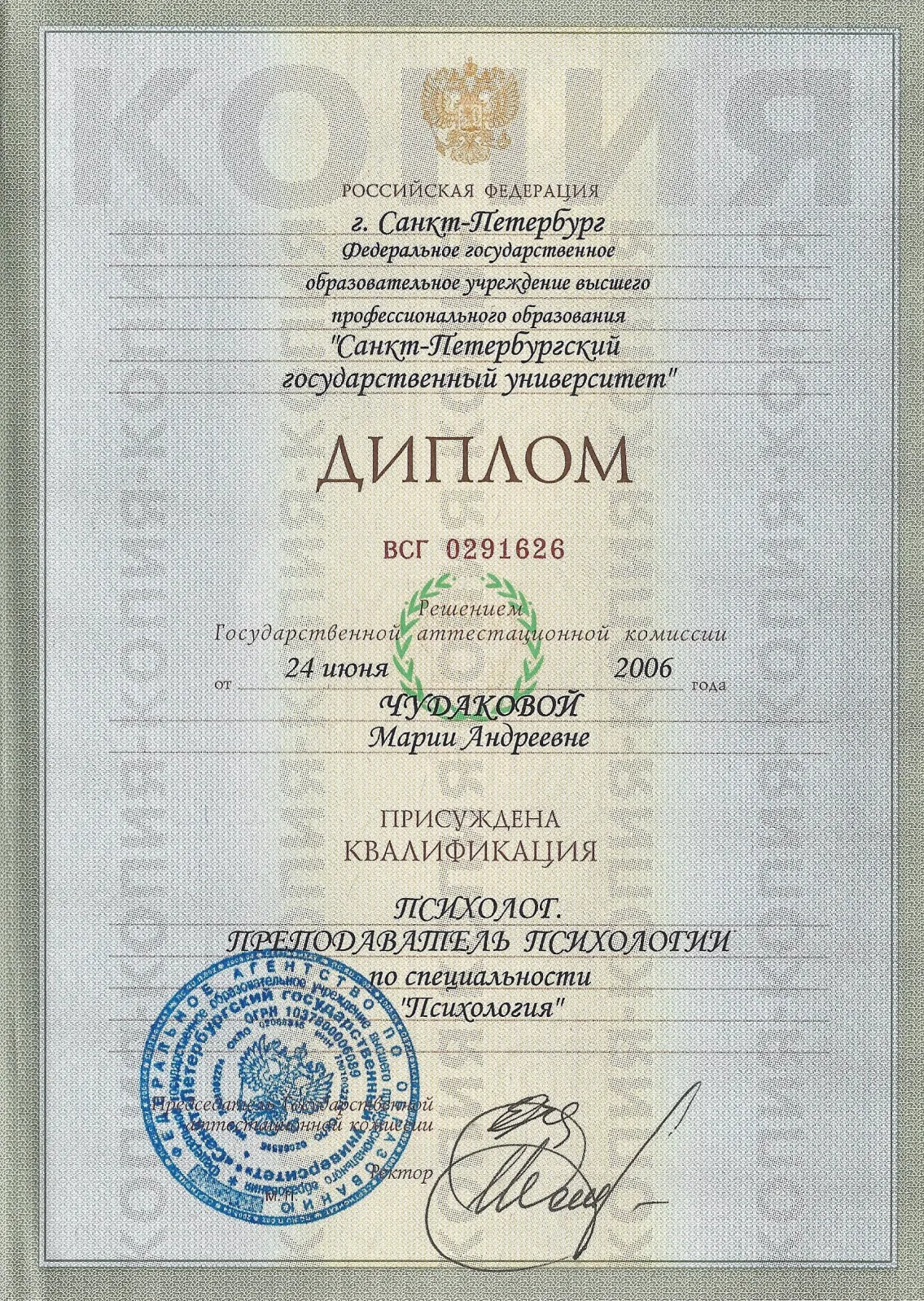
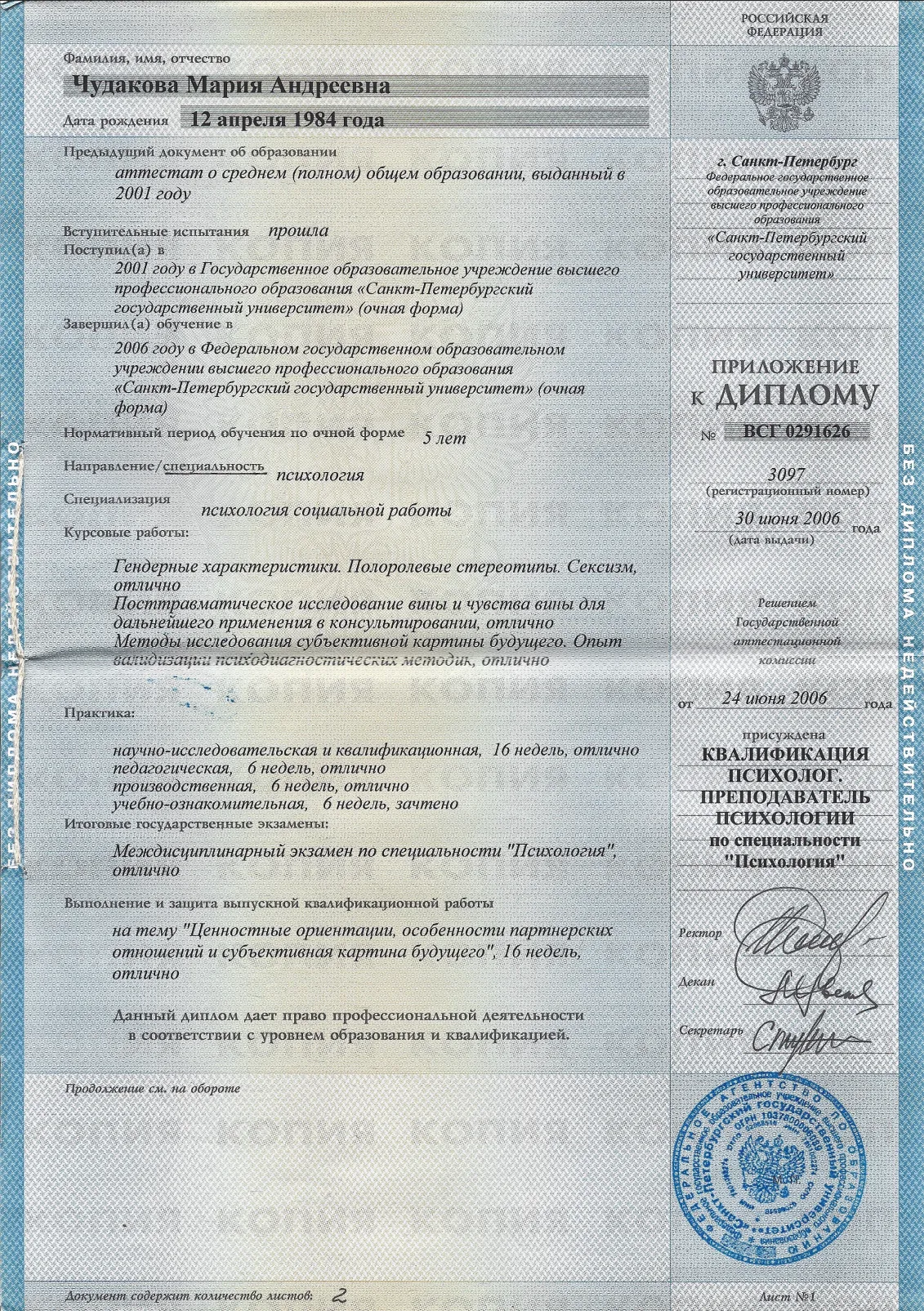
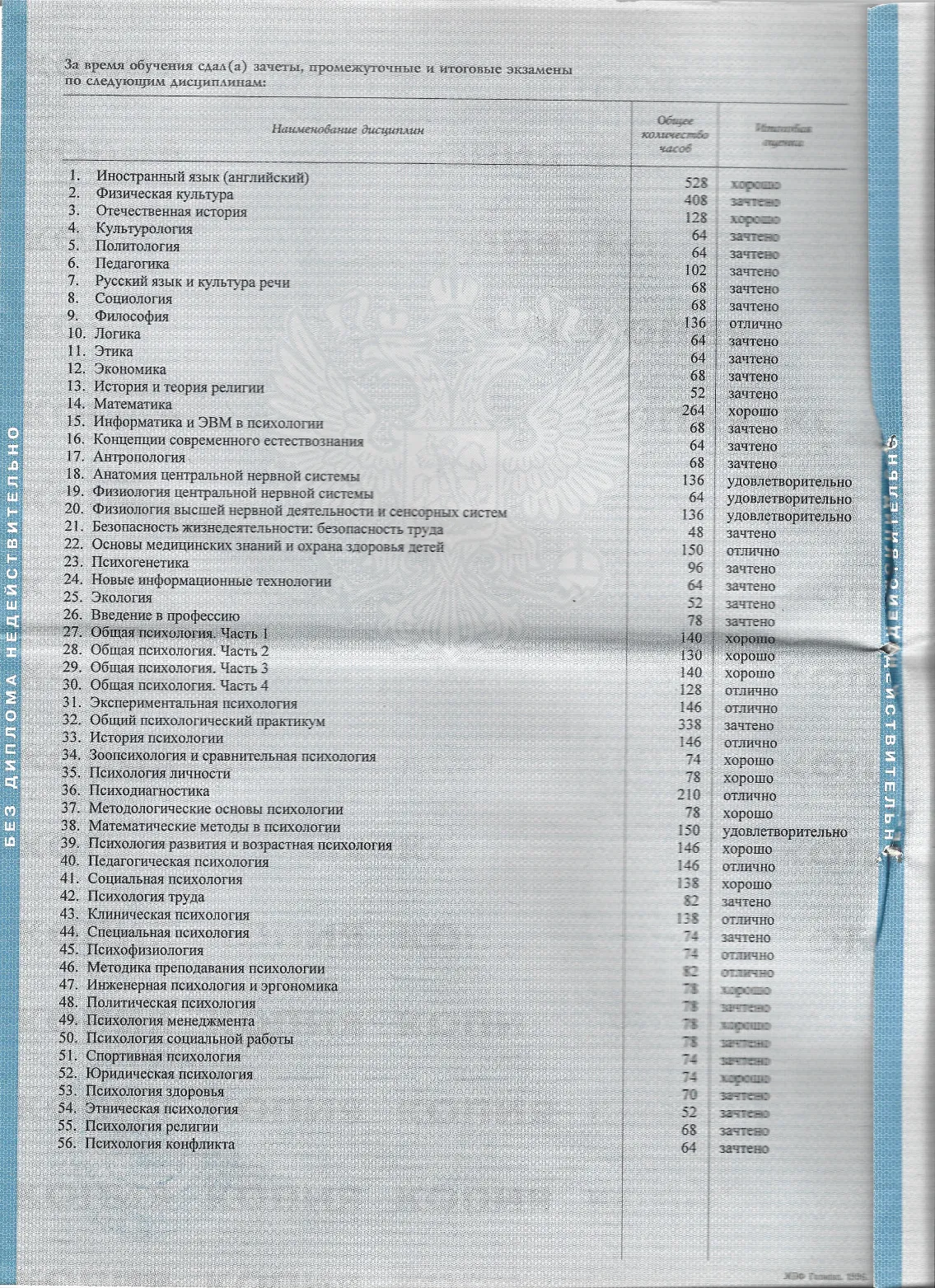
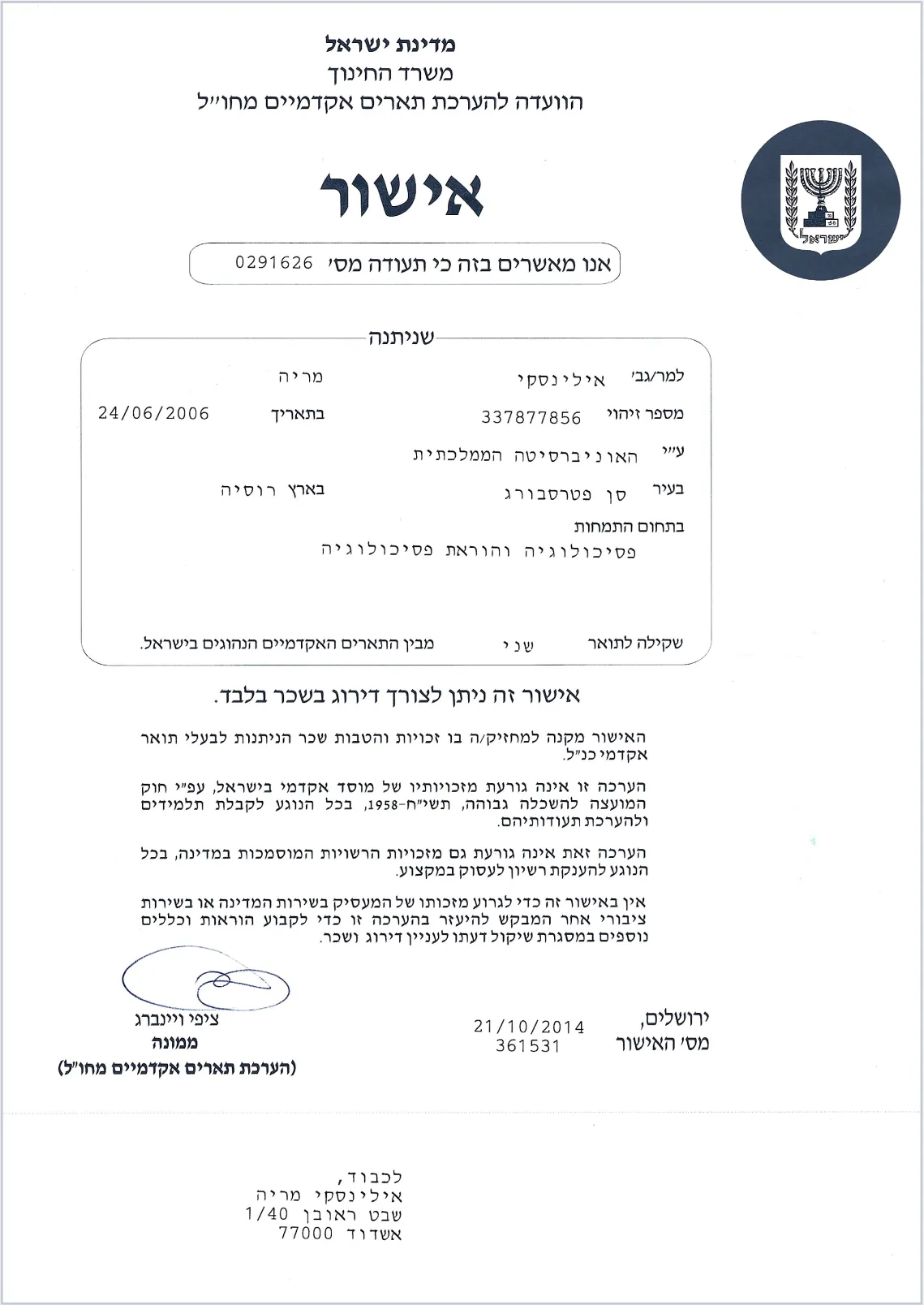
  • Psychology degree, St Petersburg State University; UK ENIC: comparable to a Bachelor’s (Honours) degree
  • Practising since 2006, with breaks; integrative approach, weekly supervision, BPS Code of Ethics
  • I have emigrated twice myself: to Israel (2014) and to the UK (2022)

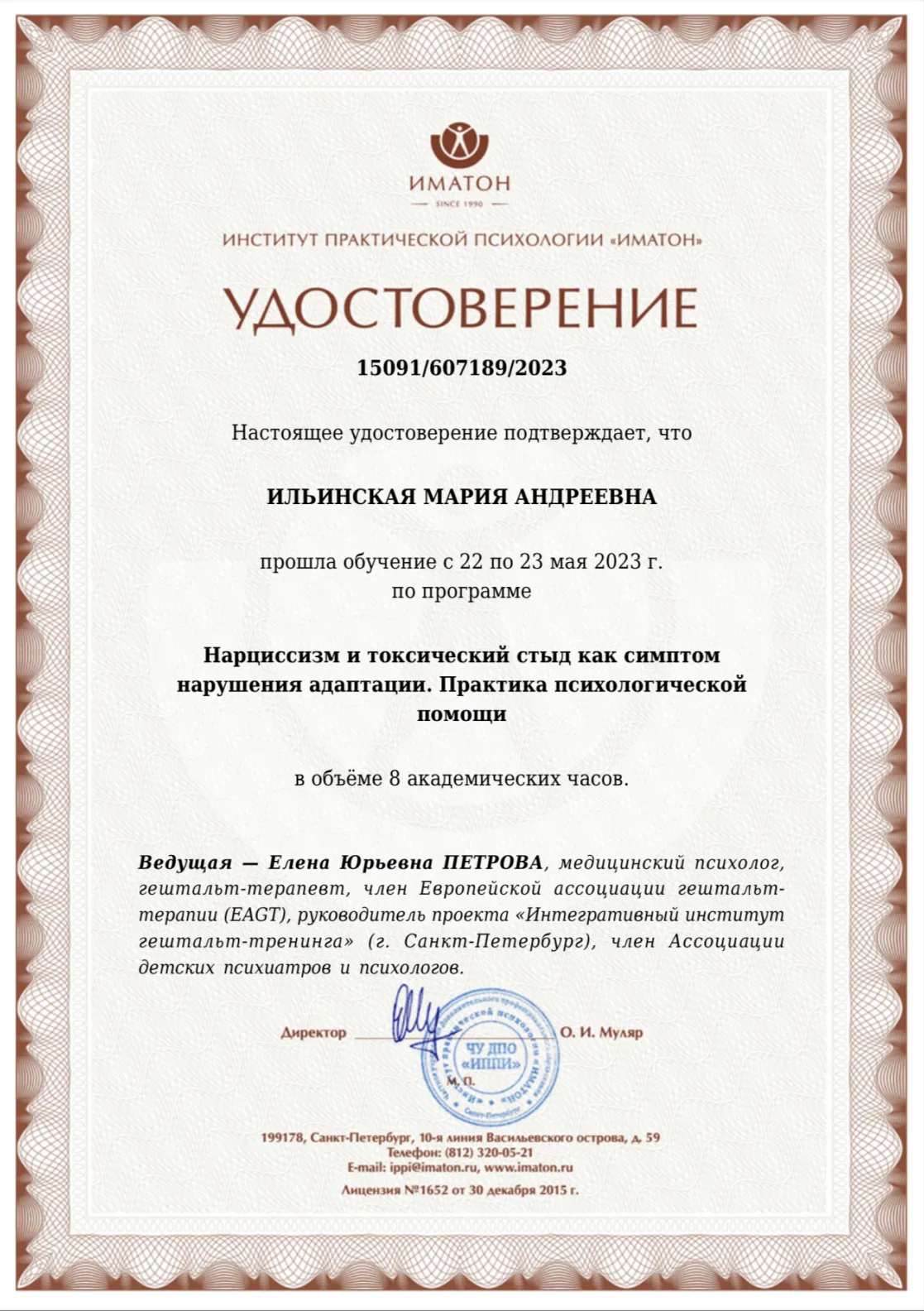
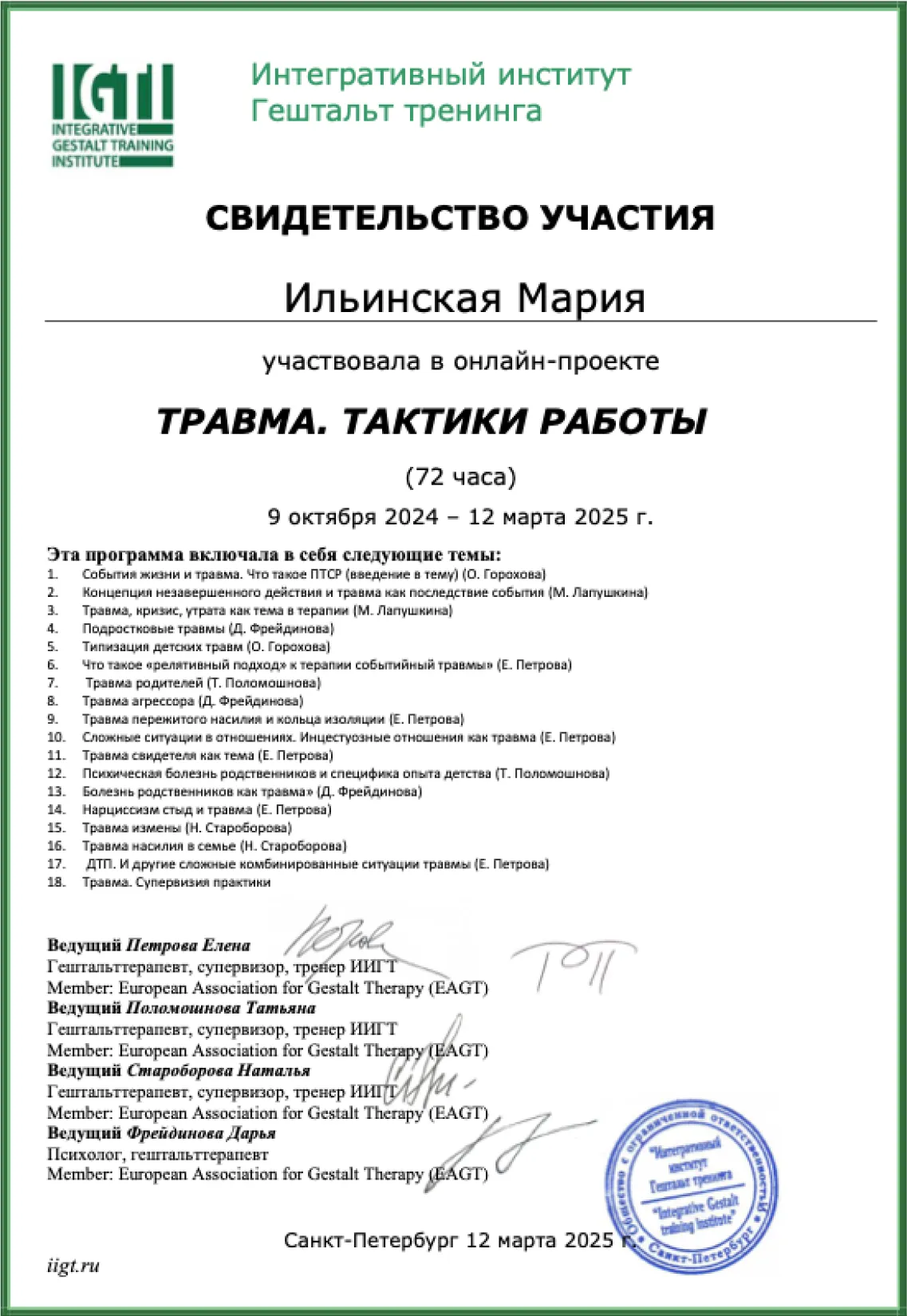
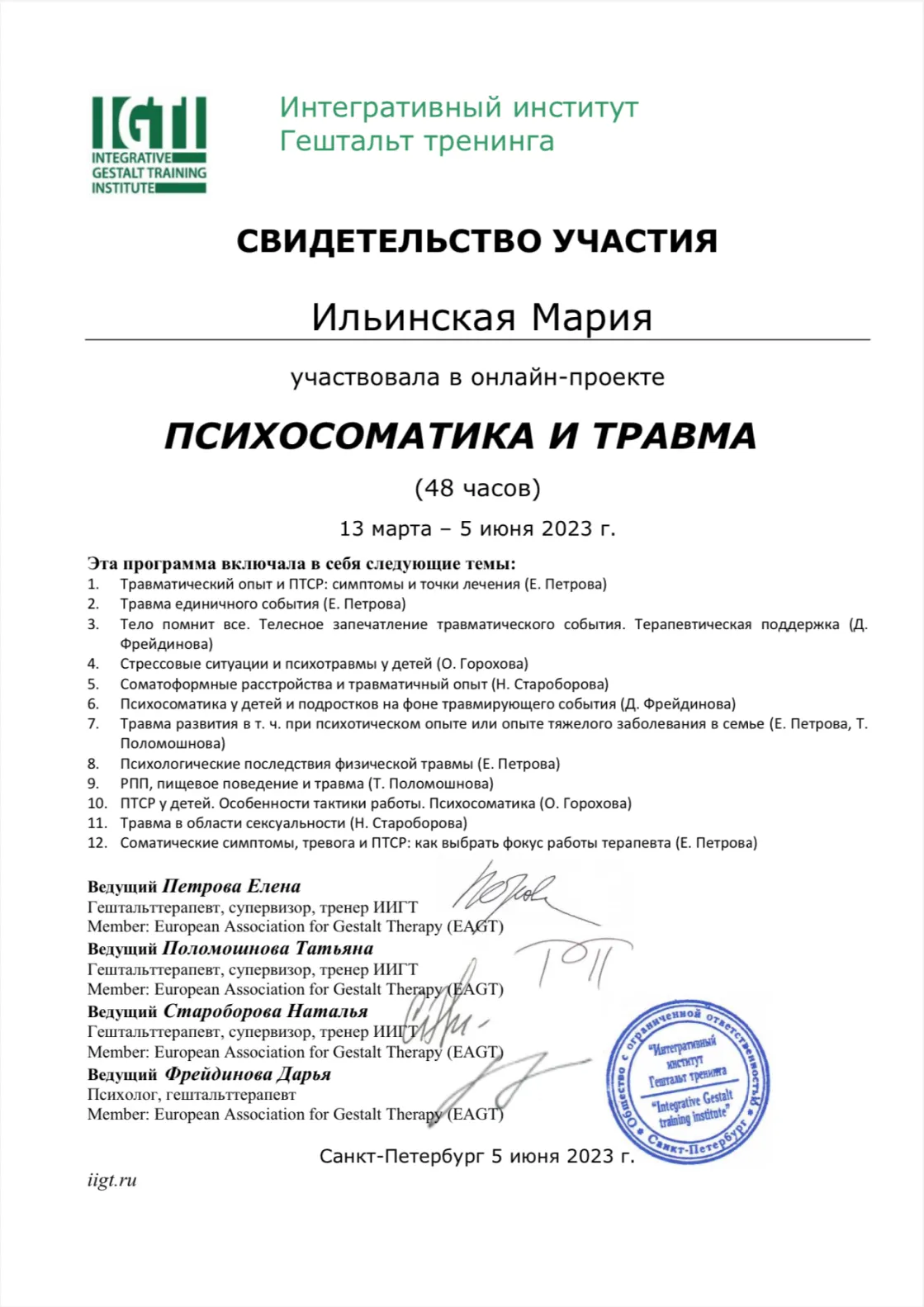
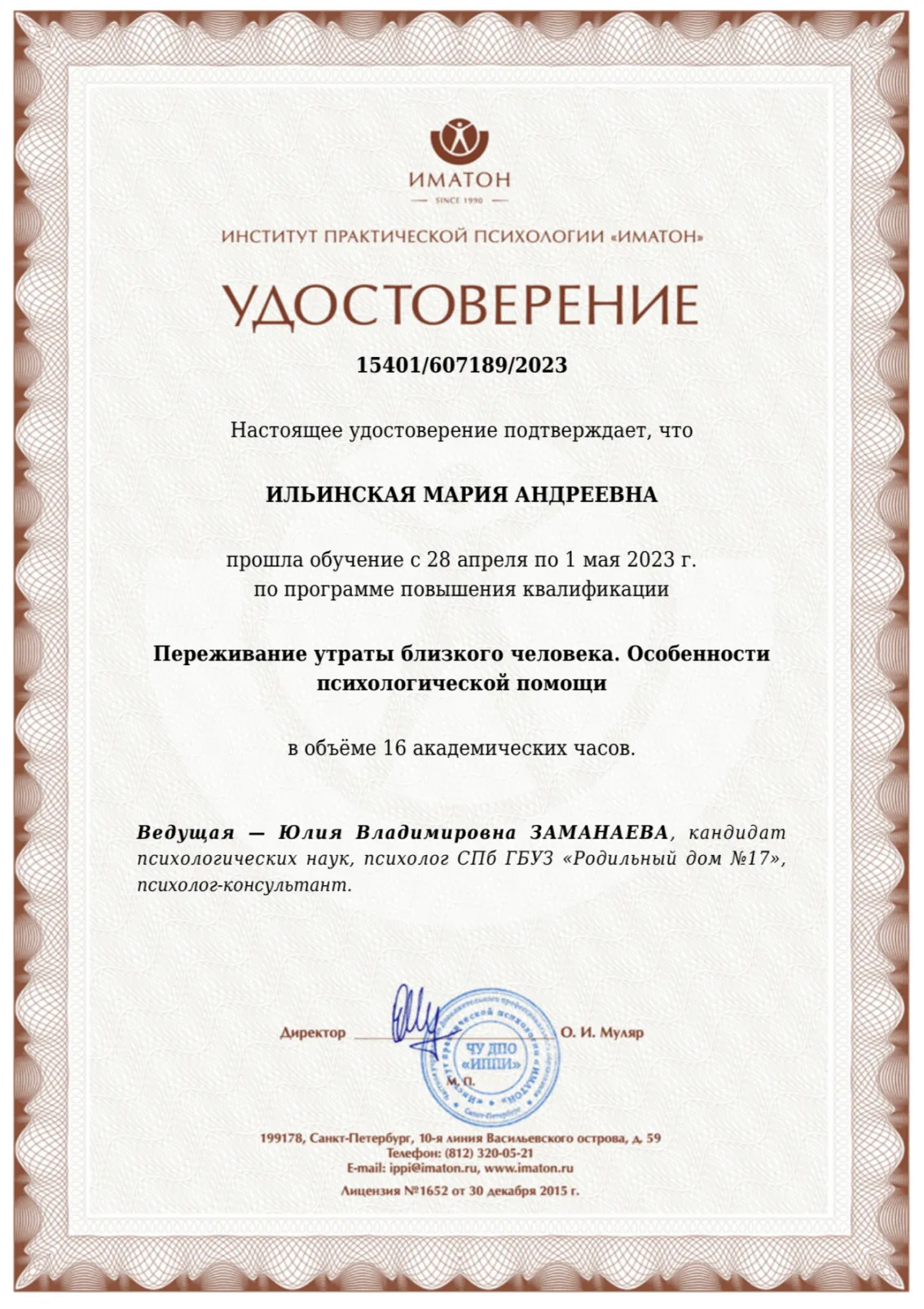
CPD on shame: the course “Narcissism and Toxic Shame” (2023) and a 72-hour trauma course that includes shame (2024–2025) More about me

Capable on paper, never quite enough in your own head

Low self-esteem rarely looks dramatic. People who live with it are often capable, conscientious and well liked.

Inside, a running commentary says otherwise: a success was luck, a mistake was proof, a compliment was just politeness.

The NHS describes self-esteem as the opinion we have of ourselves. Confidence is narrower: the sense that you can handle a particular task.

A person can run meetings with ease and still feel they are not worth much. Counselling for self-esteem looks at both.

What low self-esteem can look like day to day

It usually shows up in small, ordinary moments:

  • rewriting a two-line email five times, then adding “sorry to bother you” anyway
  • hearing “great job” and thinking “they’re just being nice”, while one critical remark replays for a week
  • staying quiet in a meeting, then hearing a colleague make the same point ten minutes later

None of these is a diagnosis. But when several have been part of life for years, they are worth talking about.

Where low self-worth comes from

According to the NHS, low self-esteem often begins in childhood, shaped by what a person hears from family, teachers and friends.

A child whose top marks were praised and ordinary results met with silence can grow into an adult who still waits for approval.

Later events can lower it too, such as illness or bereavement. Avoiding challenges may feel safe, but the NHS notes it tends to reinforce the doubts.

Moving abroad can shake it as well: my own degree had to be assessed again, first in Israel and then in the UK. More about this on the life changes page.

How I work with low self-esteem

My approach is integrative, so there is no set programme. We start from one recent situation, such as the email you rewrote five times.

We slow it down: what did you tell yourself, what did you feel, what did you do next?

Seen up close, the inner critic often has a familiar voice, with rules that made sense once but no longer fit.

Shame often sits close by: not “I made a mistake”, but “there is something wrong with me”. This part of the work is never rushed.

Maria always asks the right questions to get to the bottom of deep-seated beliefs

Vera

How to start

  1. Message me in the website chat

    One line is enough. You don’t need to describe the problem in writing.

  2. We agree a time

    In person at 85 Wimpole Street, W1G 9RJ, or online via Zoom. Weekday evenings are available; I don’t work at weekends.

  3. The first session

    50 minutes, £120, the same in person and online. We get to know each other; you share only what you feel ready to share.

    Afterwards you decide whether to book again: no packages, no commitment.

If it’s hard to say what you want from therapy, that’s fine: working it out can be part of the first session.

You can cancel or move a session free of charge with at least 48 hours’ notice.

Many people who are hard on themselves worry that their problem is too small to bring. It isn’t: you don’t need a crisis or a diagnosis to book.

You can ask a question first. I usually reply within an hour. Confidential

Urgent help: 999 or A&E in an emergency · NHS 111, mental health option · Samaritans 116 123, free, any time.

Imposter syndrome, people pleasing and perfectionism

Imposter syndrome at work

It often gets louder after a promotion: things look better than ever, and the feeling grows that someone will soon find you out.

In sessions we look at what success and failure have meant to you. More on imposter syndrome.

People pleasing and saying no

Covering a colleague’s shift for the third time this month, or agreeing before checking whether you want to.

It can look like kindness but often leaves a person tired and quietly resentful, with a fear of rejection underneath.

The aim is not to become less kind, but to notice what you want before you say yes. More on people pleasing.

Perfectionism and procrastination

Polishing a presentation for the fourth time at 1am, or not starting a report for weeks because it can’t be perfect.

Behind both there is often the same fear: anything less than excellent feels like failure.

We can ask whose standards these are, and what happens when “good enough” is allowed. See perfectionism and burnout and procrastination.

What can change

  • taking feedback at work without replaying it all evening
  • saying no to a request without apologising three times
  • applying for a role when you meet most of the criteria, not all of them

Change tends to be gradual rather than a sudden rush of confidence, and I can’t promise a particular result or timeline.

Self-help, the NHS or other support?

Books and courses are a fair place to start. If the critic is just as loud by the last chapter, it may be time to talk to someone.

If you are registered with a GP in England, you can refer yourself to NHS Talking Therapies for counselling or CBT. Private therapy vs NHS compares the two.

If low mood lasts more than two weeks, the NHS advises seeing a GP. Self-criticism and low mood often feed each other: see depression therapy.

My practice is for adults. Among mental health conditions, I work with depressive episodes, anxiety disorders and the effects of trauma, including PTSD.

I don’t work with bipolar disorder, eating disorders or addictions. If I see signs of another condition, I suggest a psychiatrist as well.

If eating or weight may be part of the picture, the NHS advises seeing a GP as soon as you can.

Sources (4)

What clients say

40 reviews on Google

Questions about self-esteem therapy

Can therapy actually change self-esteem, or is it just my personality?

Self-esteem is an opinion of yourself formed over years, not a fixed trait, so it can shift, slowly. I can’t promise a result, but often the first change people notice is catching the inner critic sooner, before agreeing with it.

What does a confidence therapist actually do? Is it CBT?

Not CBT in the strict sense. We mostly talk, and sometimes, if it fits, try an exercise in the session; there is no homework programme. If you want a structured CBT course, NHS Talking Therapies may suit you better.

How is this different from confidence coaching?

Coaching usually works towards a set goal, such as a promotion. In therapy we also look at why the self-doubt keeps coming back. If your goal is narrow and practical, a coach may be enough, and the two can run side by side.

I can find cheaper therapy online. Why choose you?

A lower fee may suit you better, and that’s a fair choice. What you get here: a room on Wimpole Street, W1, away from home and work, or Zoom; English or Russian; one session at a time, with nothing to sign up for. I usually reply within an hour.

Are you registered with BACP or UKCP?

No. I am a Graduate Member of the BPS (GMBPsS); my training and certificates are in About me below. If BACP or UKCP membership matters to you, it makes sense to look in their registers.

Can sessions be in Russian?

Yes. I work in English and in Russian, in person and online. You can choose the language in which it is easier for you to talk about what matters.

I find it hard to talk about personal matters. What if I can’t open up?

That’s completely understandable. You choose what to talk about and when. We can start with something recent and small, and you don’t have to share anything before you’re ready.

How often do we meet, and for how long?

You decide, and I can advise. Most people come weekly, some fortnightly.

Sometimes one session is enough; short-term counselling is usually 5–6 sessions, therapy a year or more. There is no set number, and you can stop at any time.

You can ask a question first. I usually reply within an hour. Confidential

About me and qualifications

My biography

I’m originally from St Petersburg. After university I worked in counselling under supervision and co-facilitated psychology workshops.

In Israel I worked at Maccabi Healthcare Services, mostly with trauma, anxiety and relationship difficulties.

Since moving to the UK, I have had a private practice in central London: individual and couples sessions for adults, in person and online.

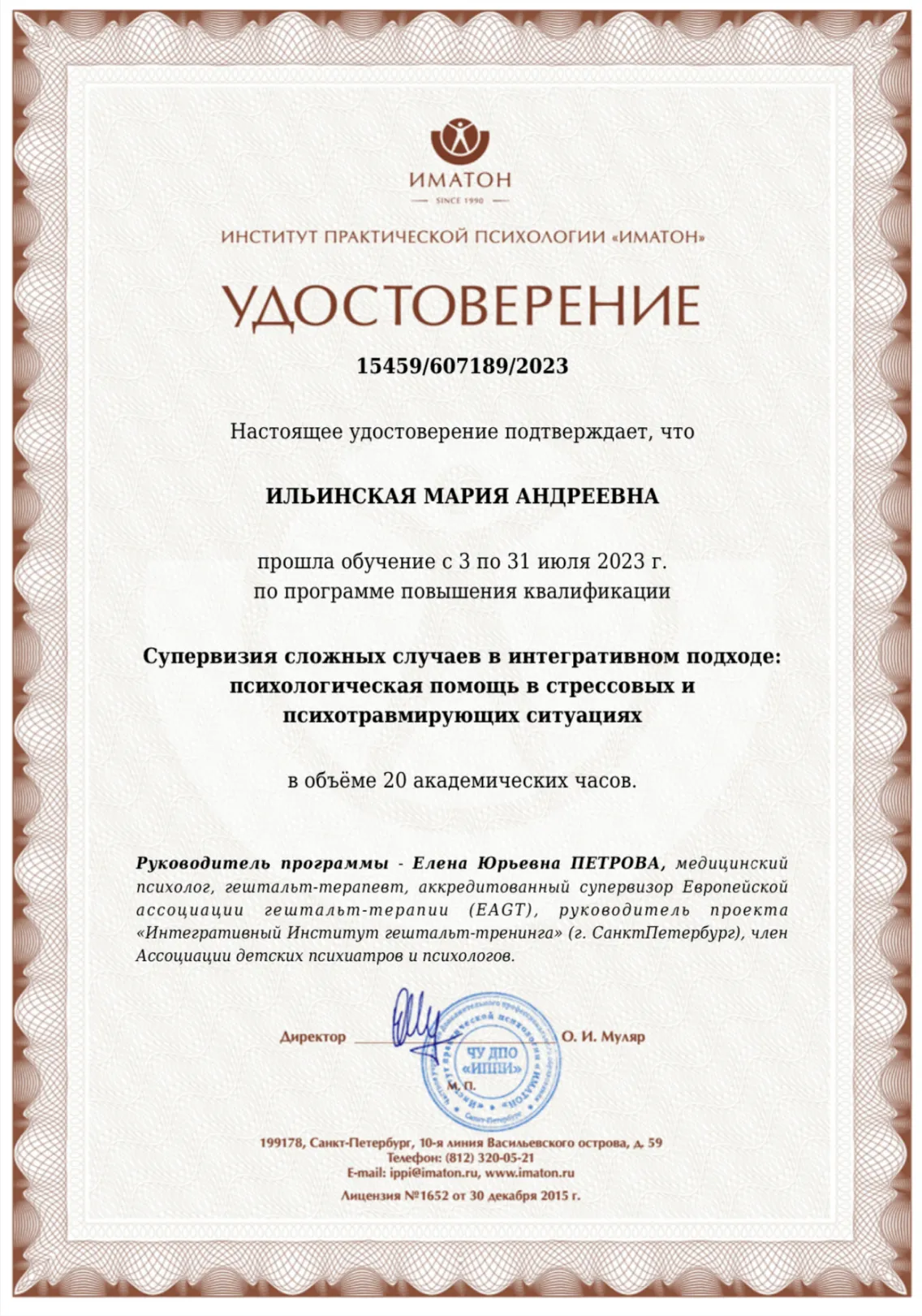
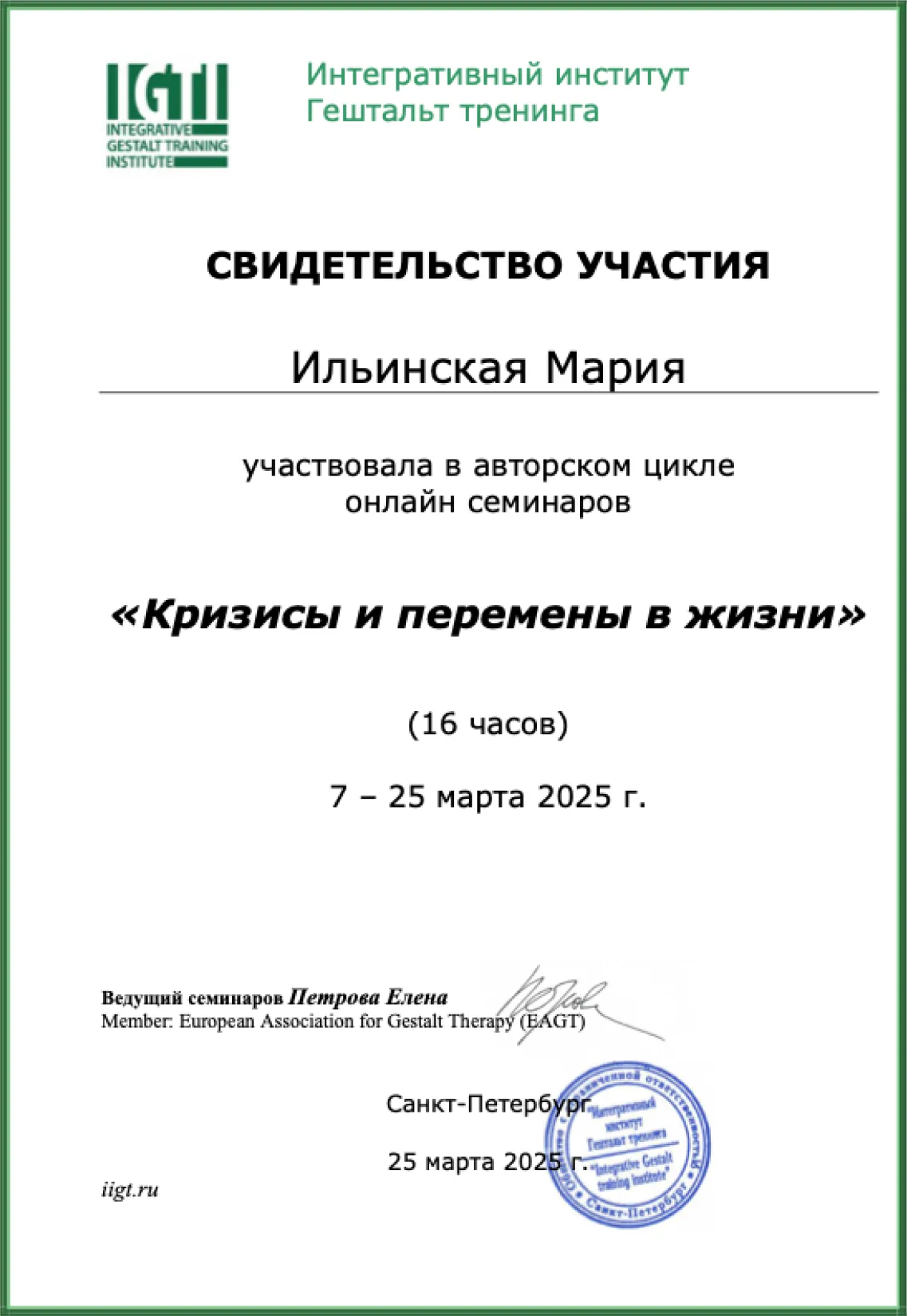
My later training includes courses on trauma work, life crises and changes, and the supervision of complex cases.

I have professional indemnity insurance.